At the center of the exhibition is the theme of the perception of nature. Engaging with it is a fundamental prerequisite for the daily work of landscape architects. Every planning task ultimately rests on this question and thus also forms the basis of the exhibition concept. But what is nature? How is it perceived, and how can this perception be conveyed in the context of an exhibition?
The exhibition approaches the theme in various ways. In the gallery rooms, more or less familiar everyday situations are staged, in which nature becomes experientially accessible. Sometimes the gaze focuses on a single detail; in the next moment, the field of view expands to an overview of the whole. This interplay of "magnifying glass and binoculars - miniature and panorama" forms a central principle in the design approach of Vogt Landscape Architects and also underlies Günther Vogt's monograph Miniatur und Panorama.
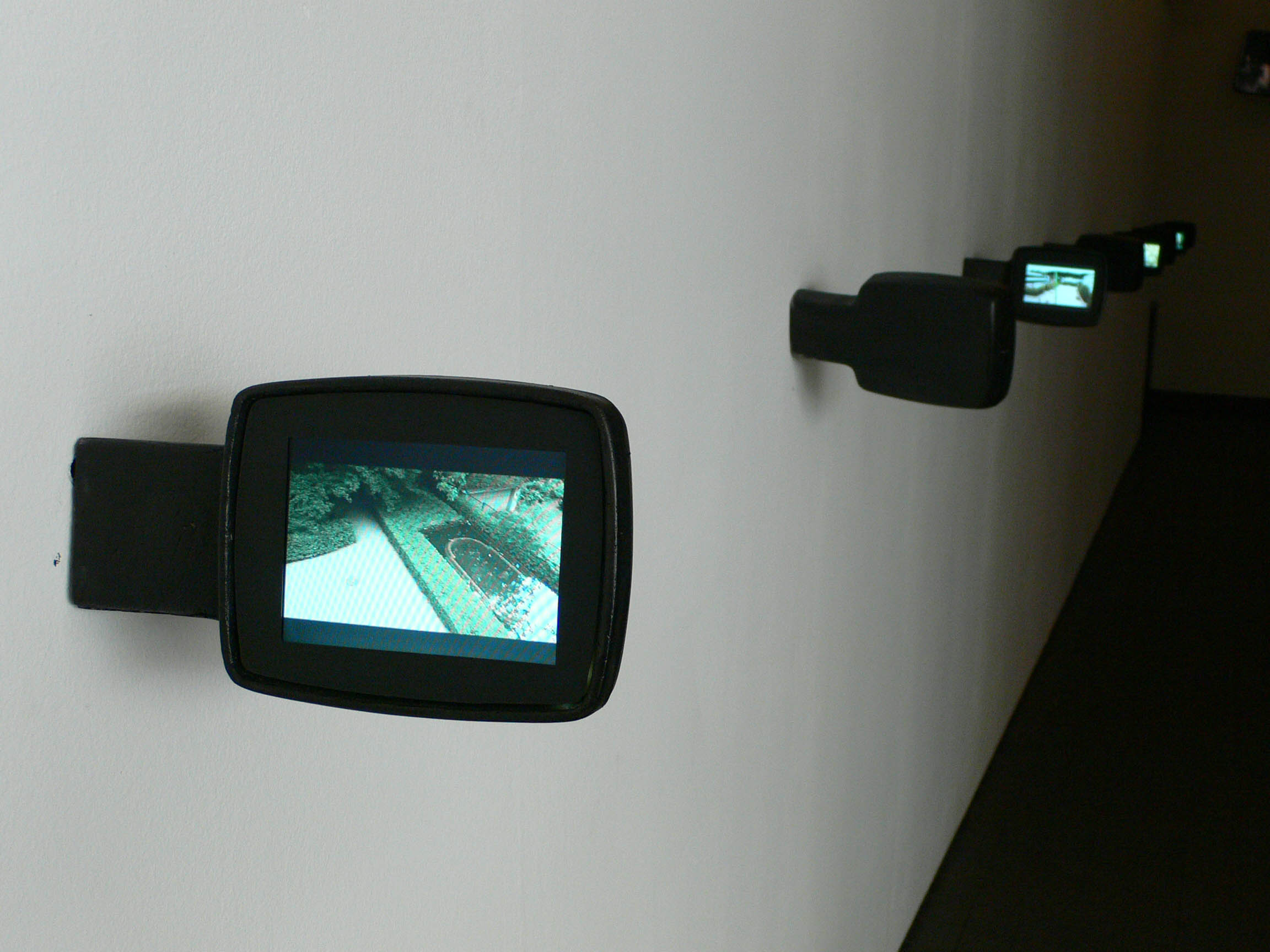
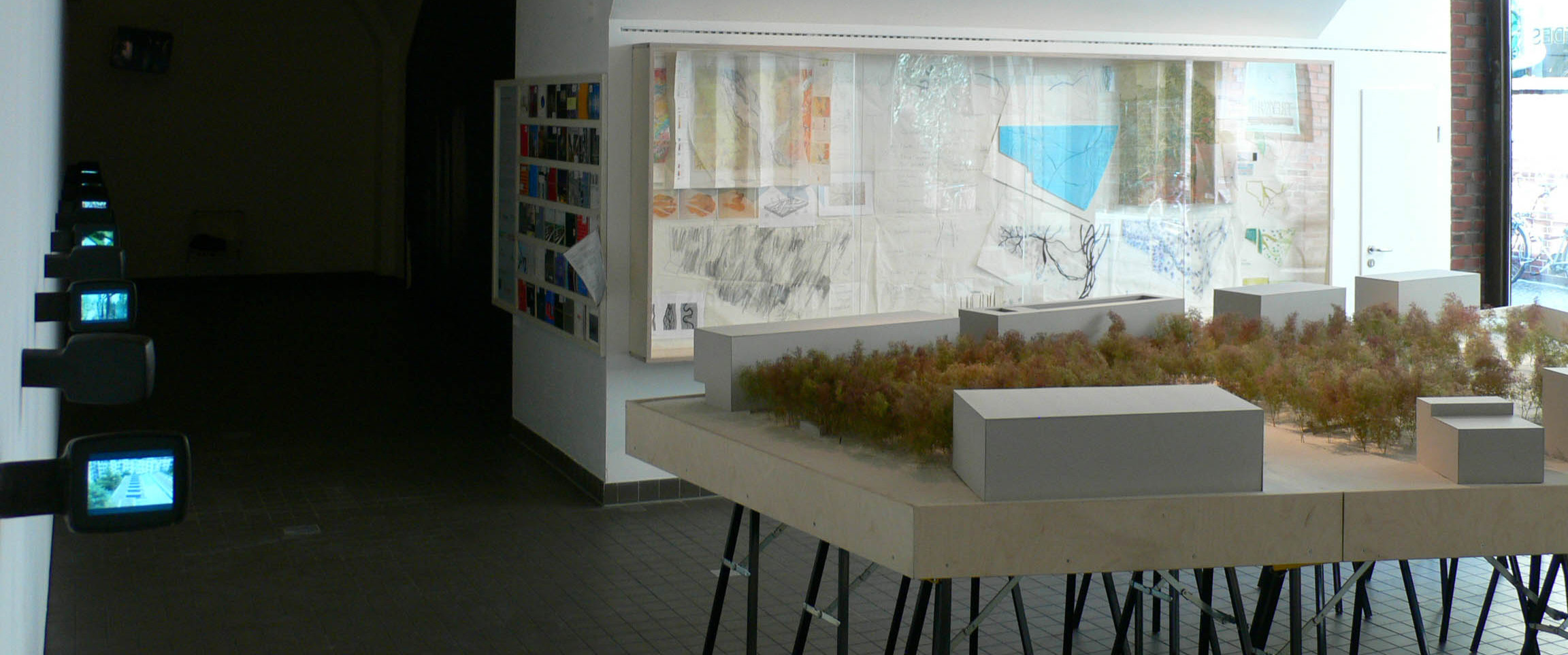
Vogt Landscape Architects conceive the gallery corridor as a street, along which car rearview mirrors mounted on the wall display various images of nature. From there, the visitor enters the first room, where a simple natural phenomenon, trees with trunks and leaves is presented. The mere fact that we encounter this scene in a gallery space rather than outdoors in nature fundamentally alters the impact of the installation.
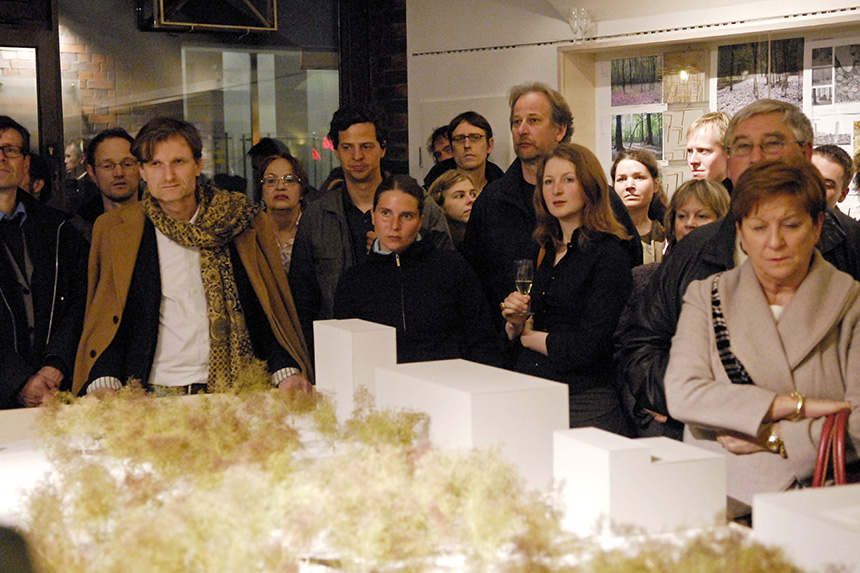
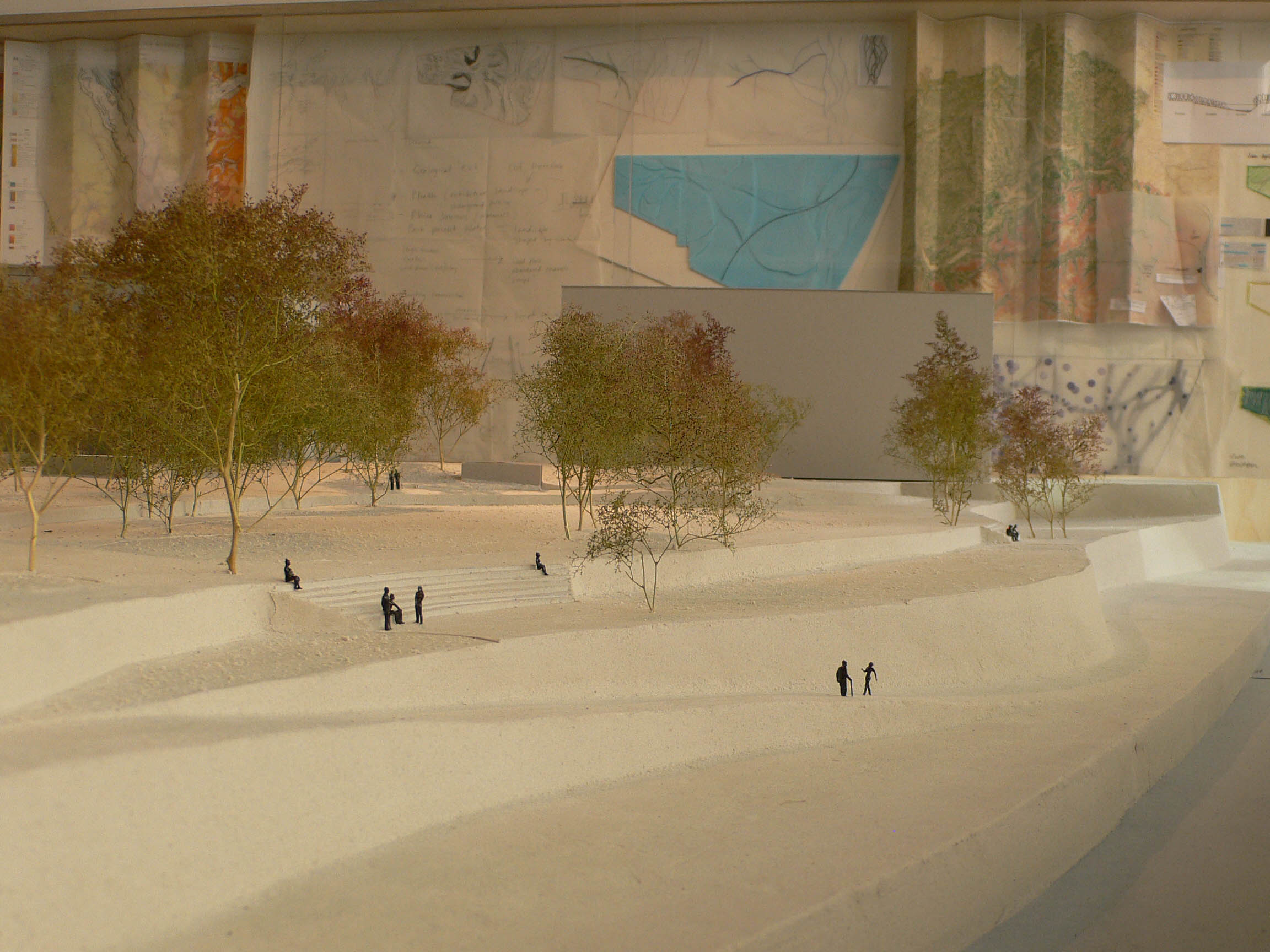
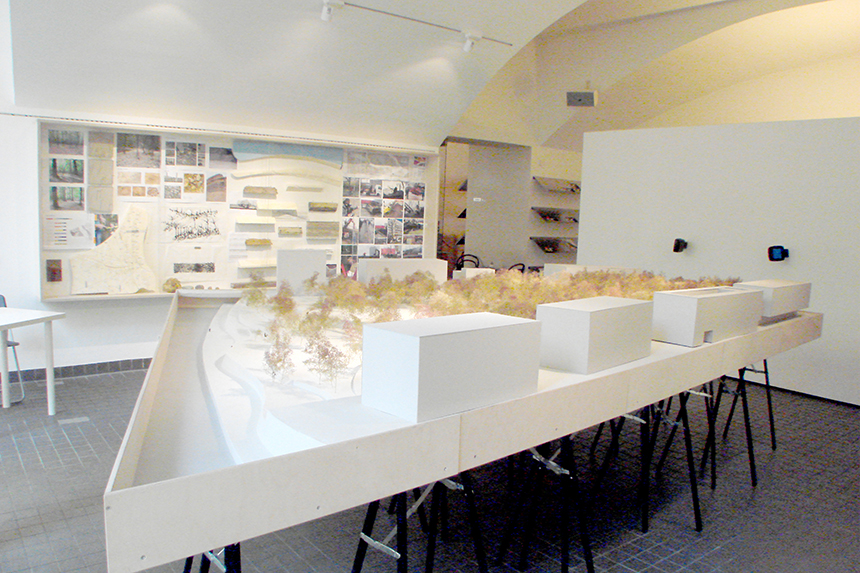
The same applies to the room-filling model of a current major project by Vogt Landscape Architects, presented in the second exhibition space. Here, reality is translated into a miniature landscape, demanding active decoding from the viewer to comprehend it. The form of the exhibition installation directly involves the visitor. They become part of the staging and can scarcely escape its varying effects: the intensity of perception continually oscillates between proximity and distance.




 Newsletter