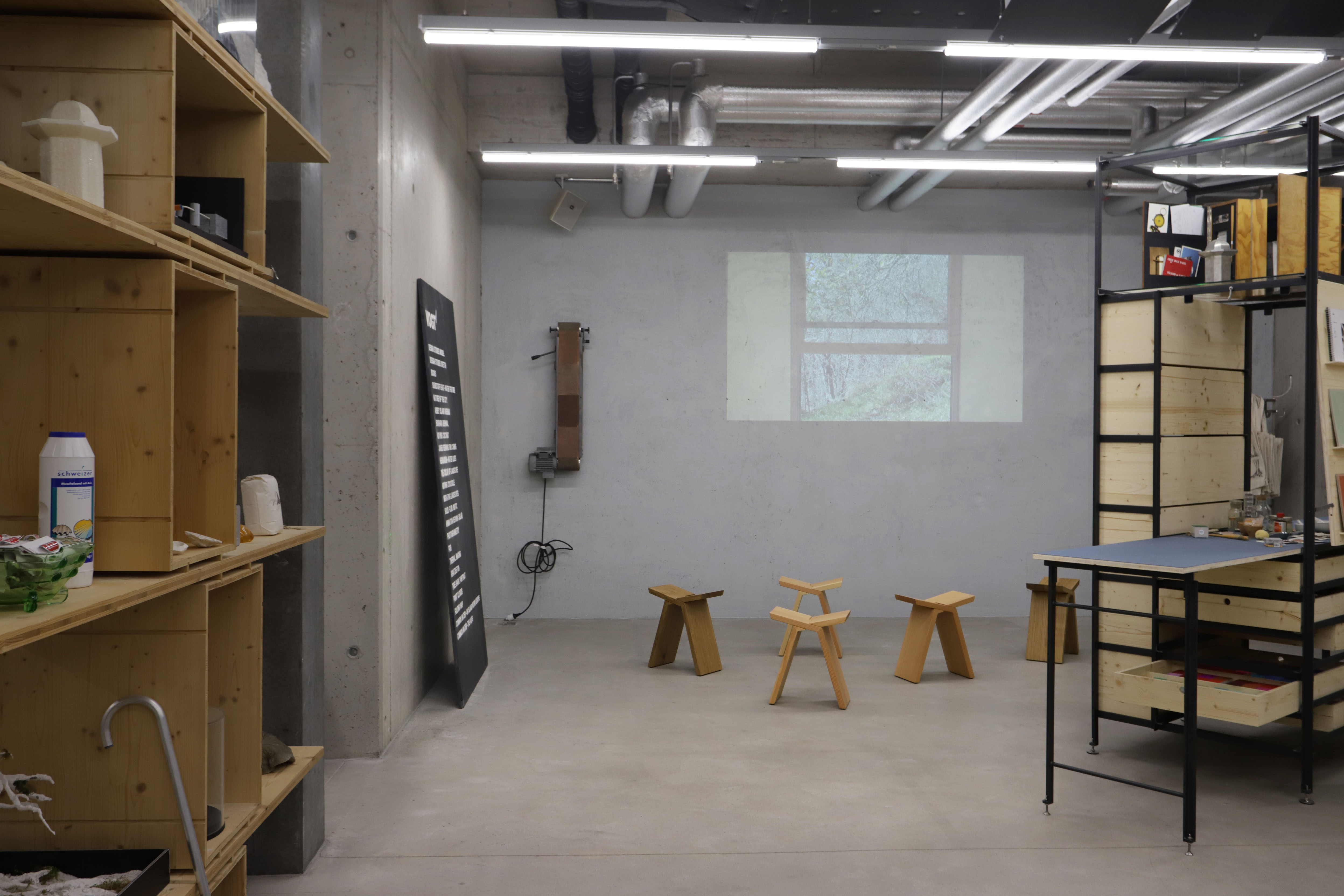
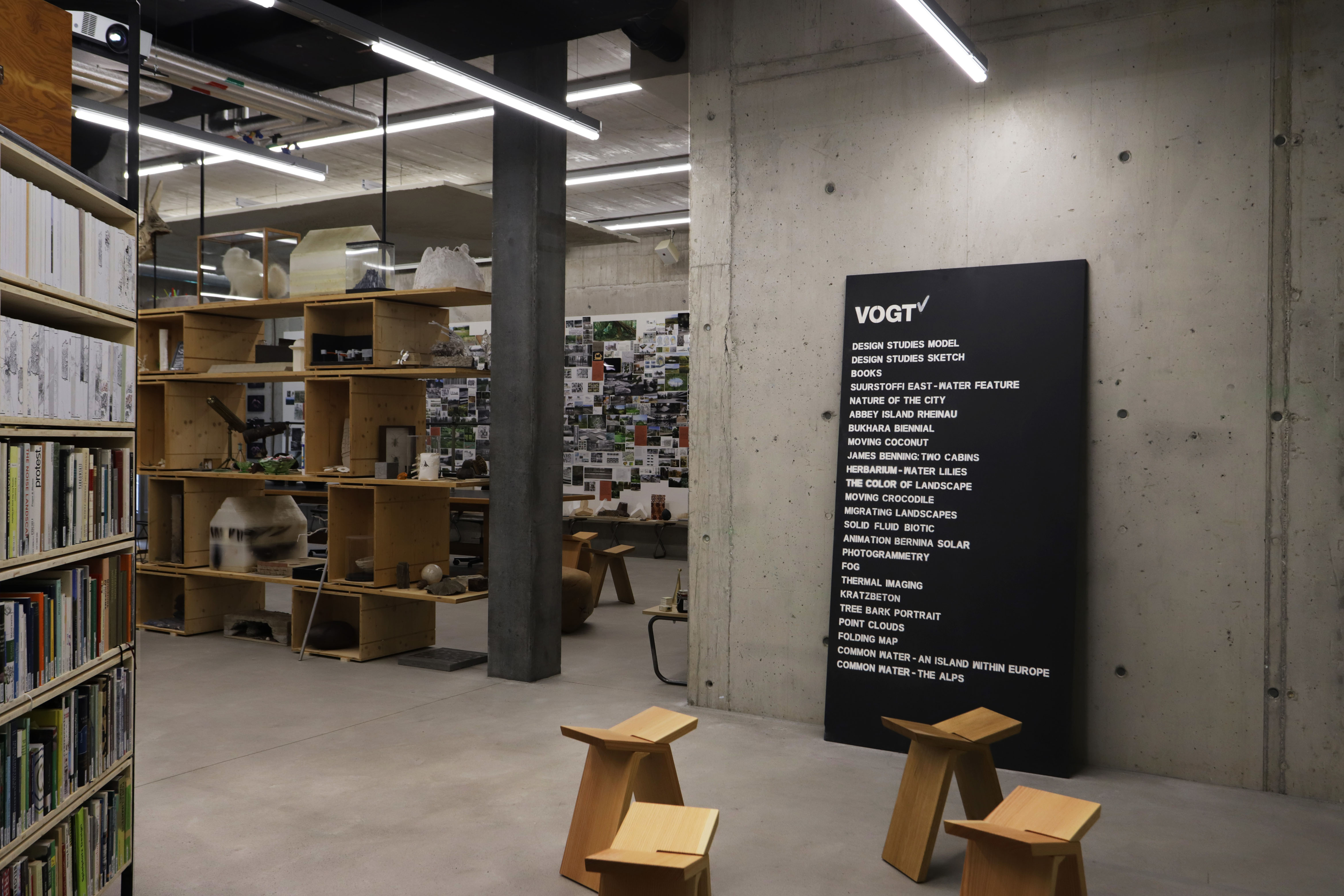
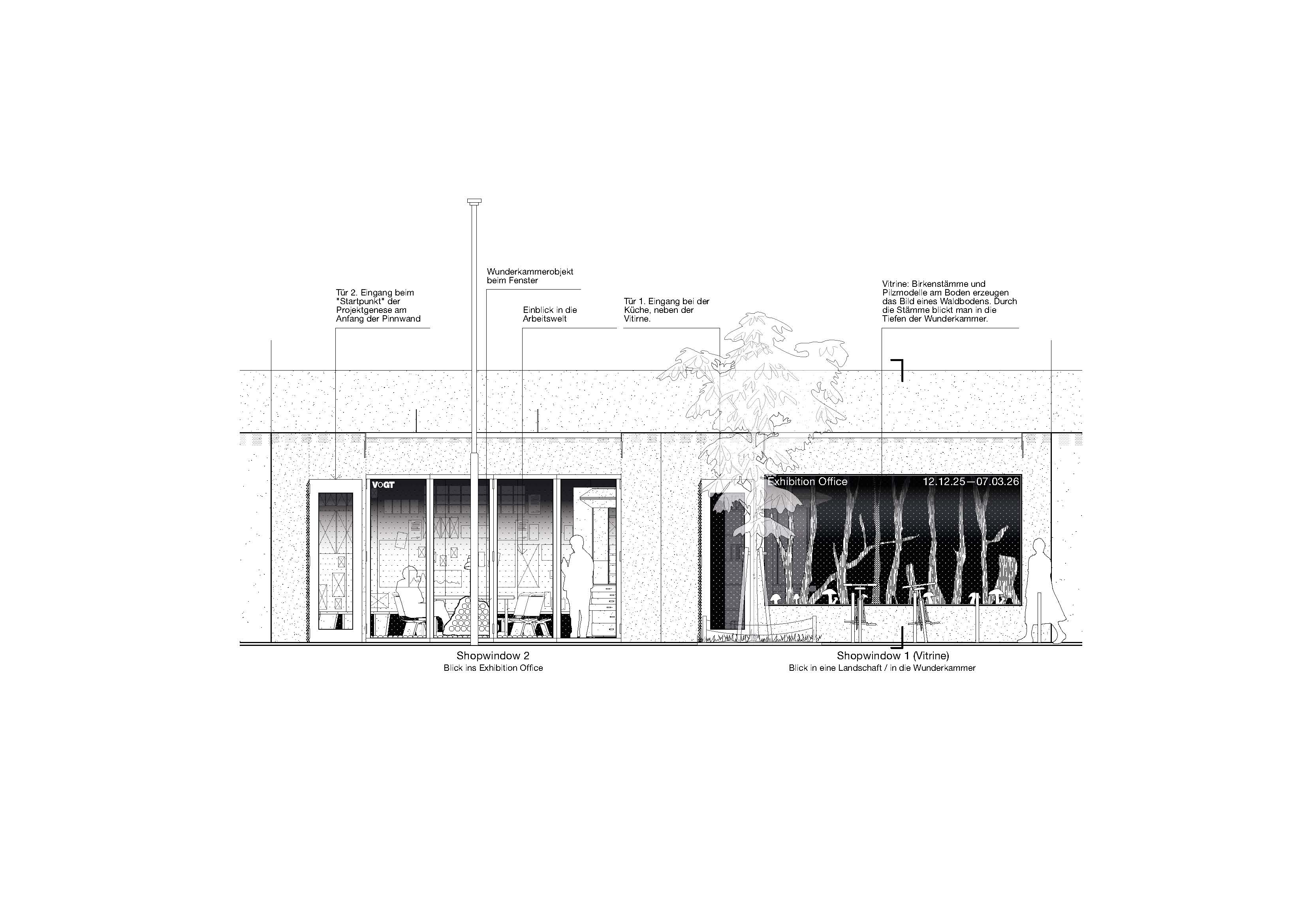
As part of Carte Blanche XXI, VOGT Landscape Architects temporarily relocate their practice into the Architekturforum Zurich. With Exhibition Office, the exhibition space transforms into a place for design, production, and exchange.
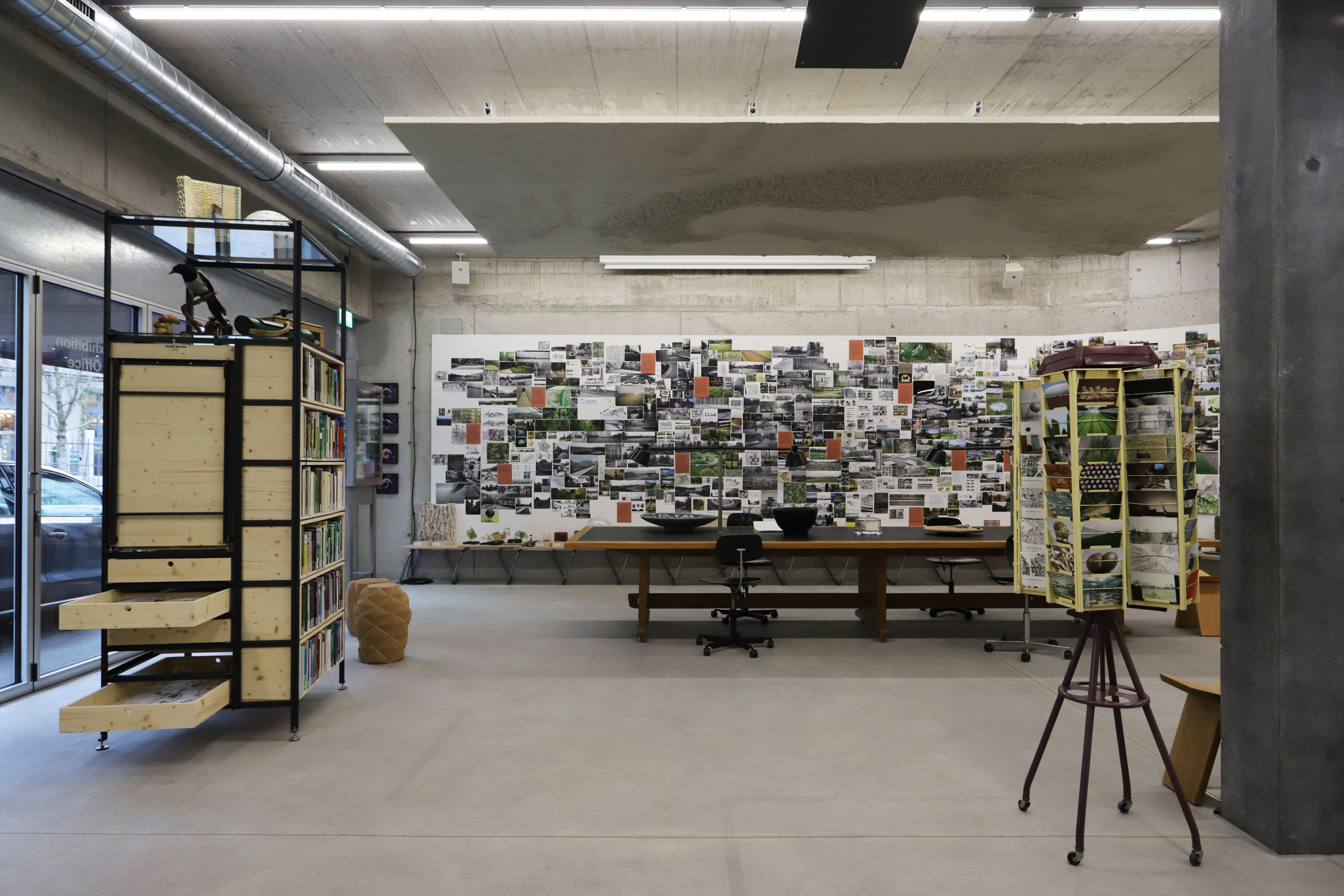
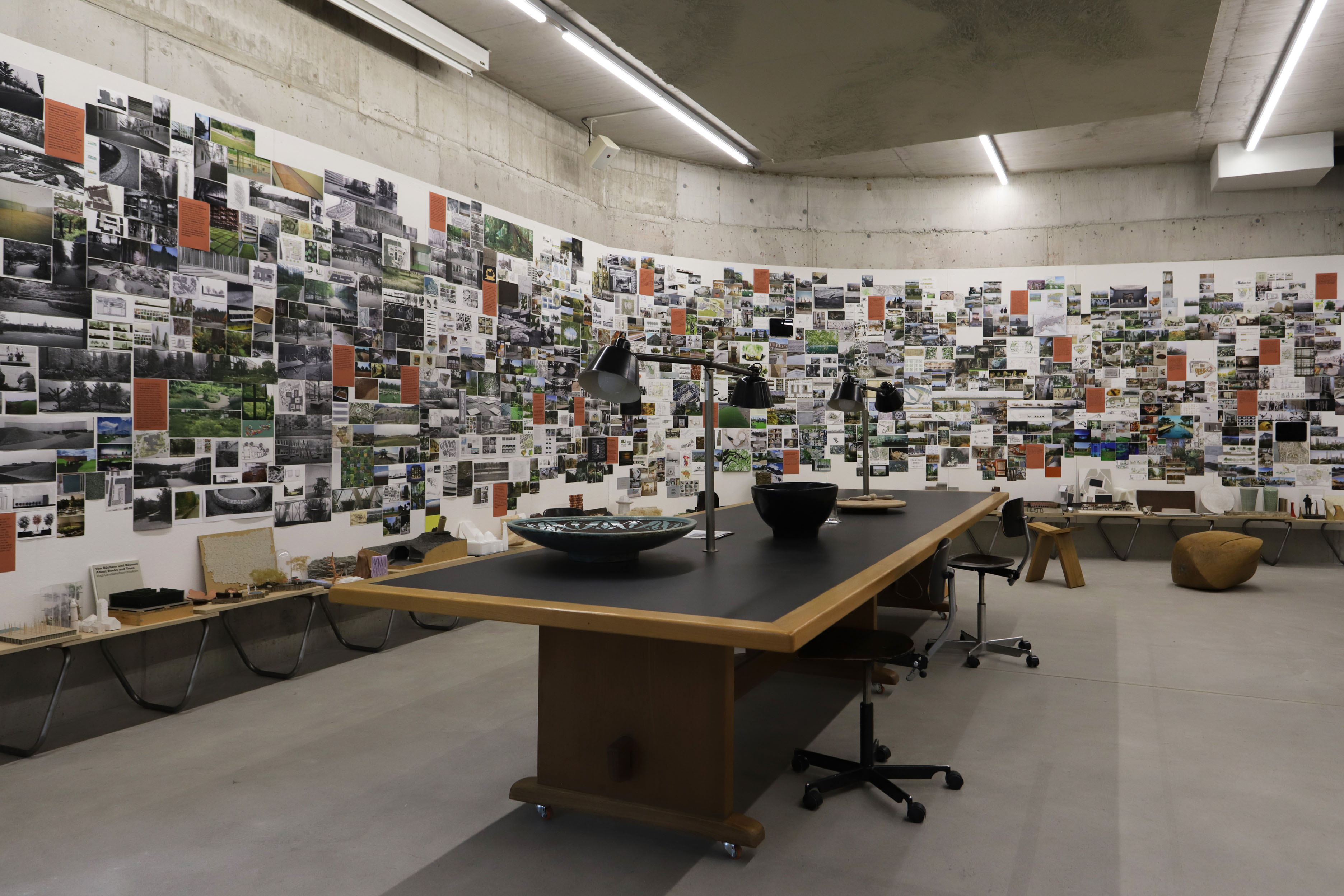
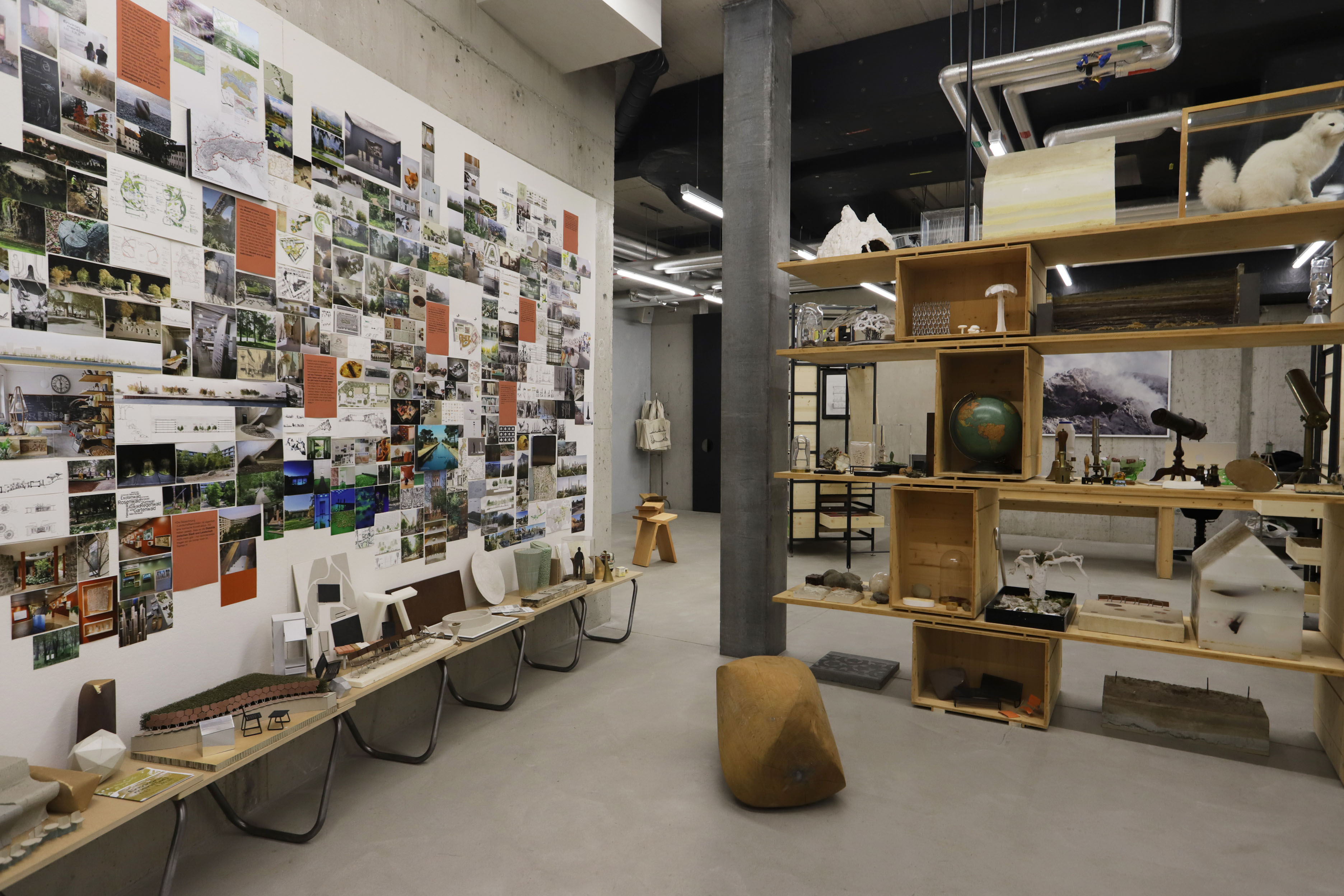
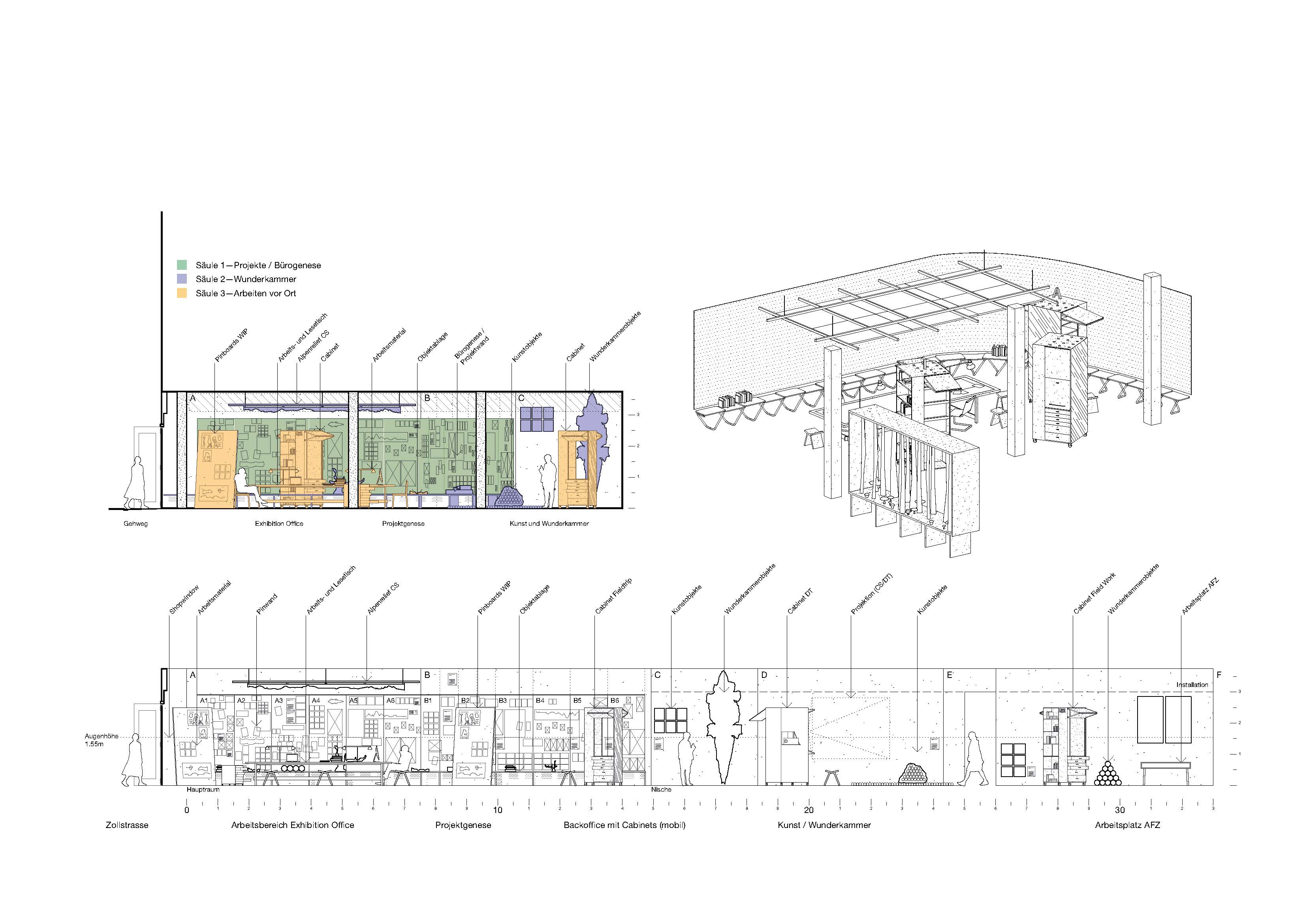
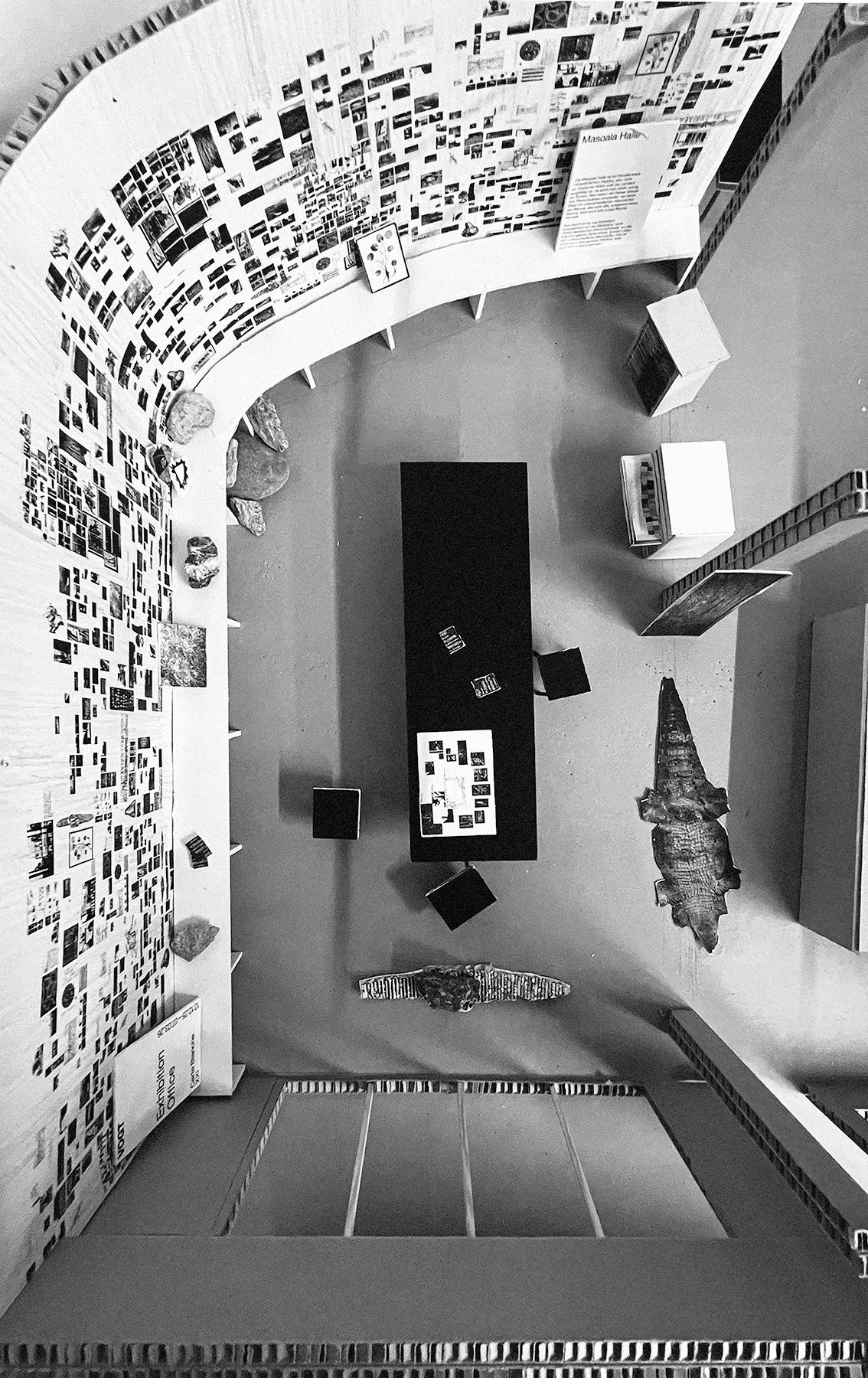
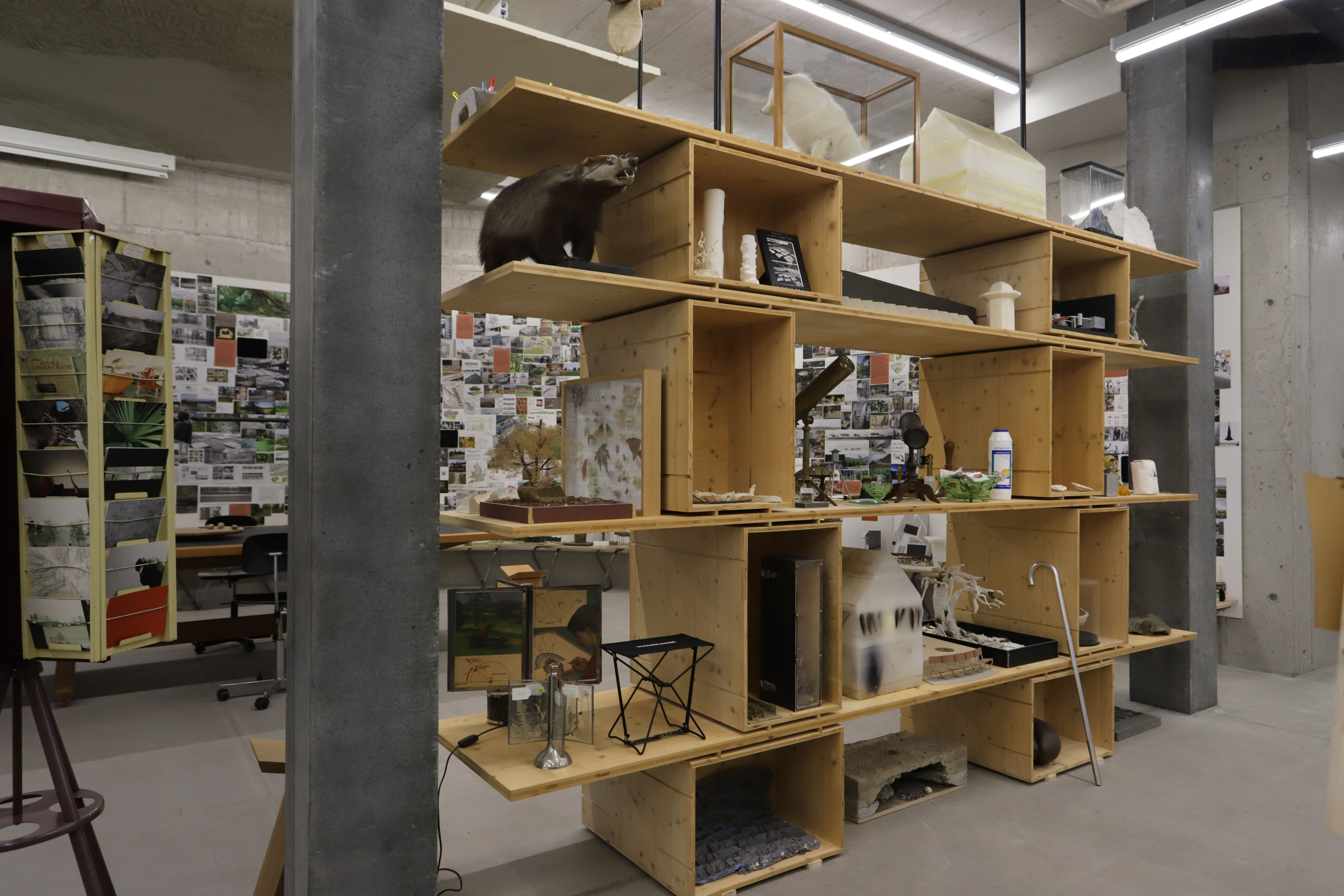
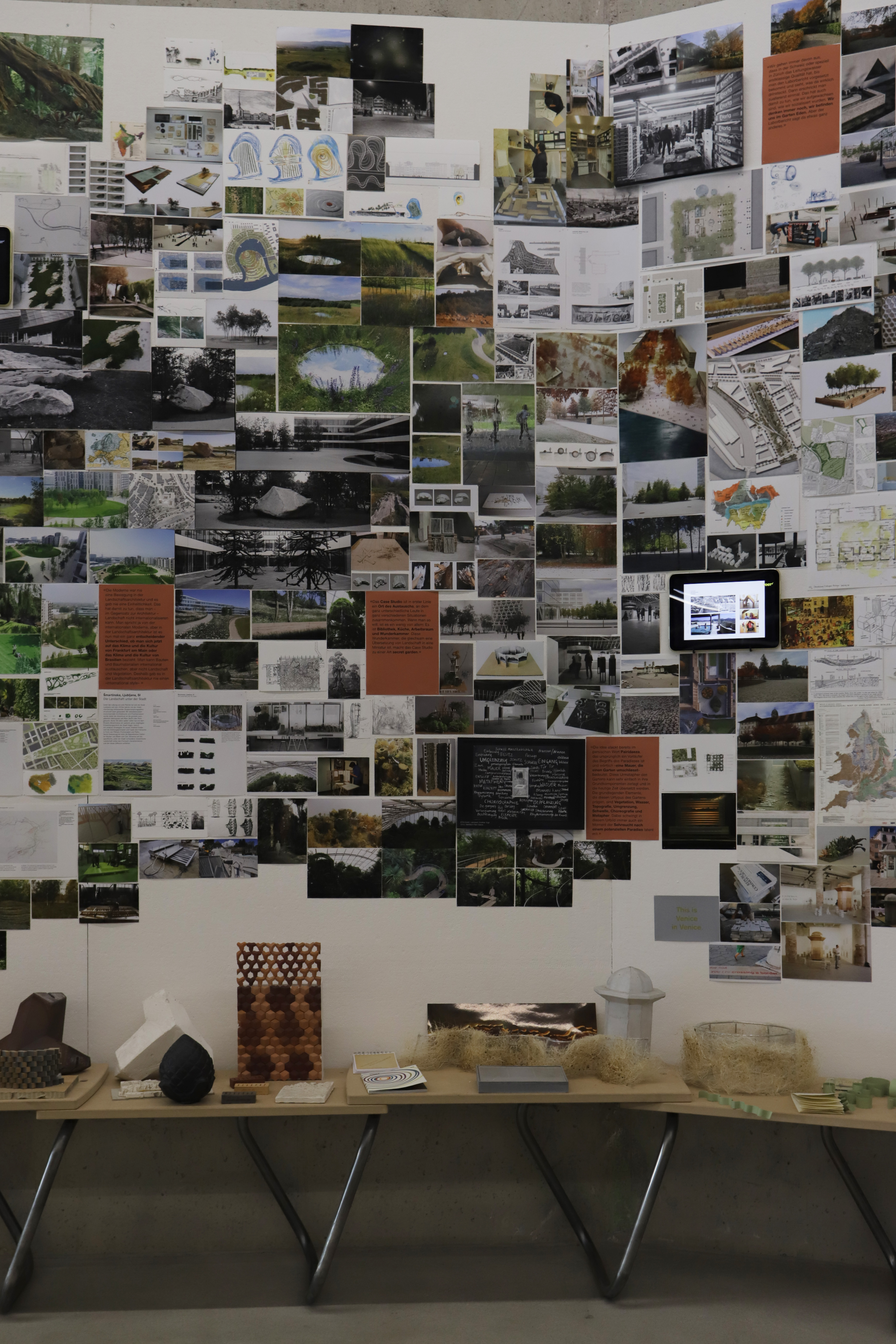
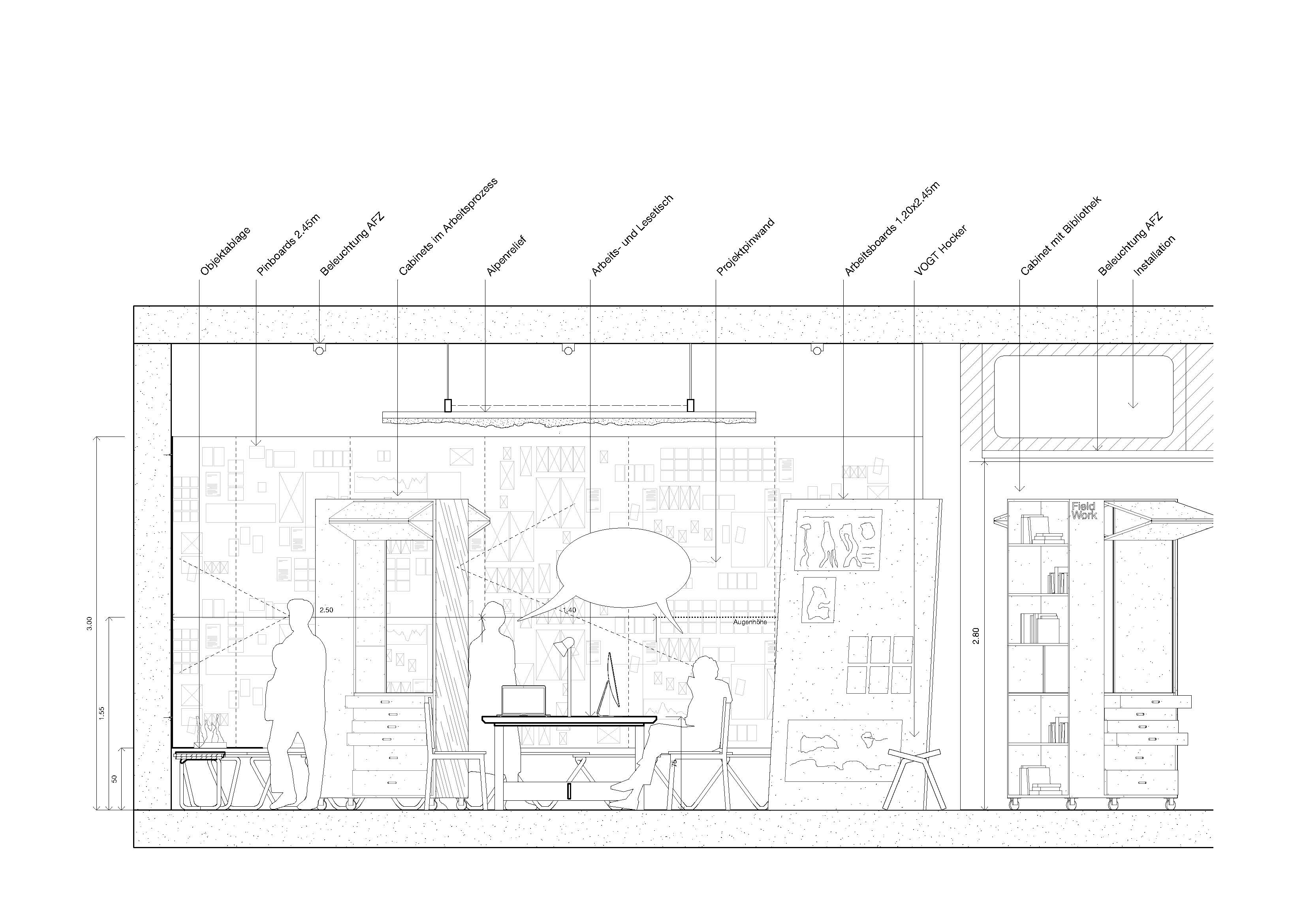
The concept brings together key aspects of VOGT’s working methods — including the Wunderkammer, which explores overarching themes such as biology, geology, and psychology. A large project wall traces the office’s evolution over the past 25 years, presenting projects, research, and experiments not as separate entities, but as an ongoing engagement with ideas, methods, and processes.
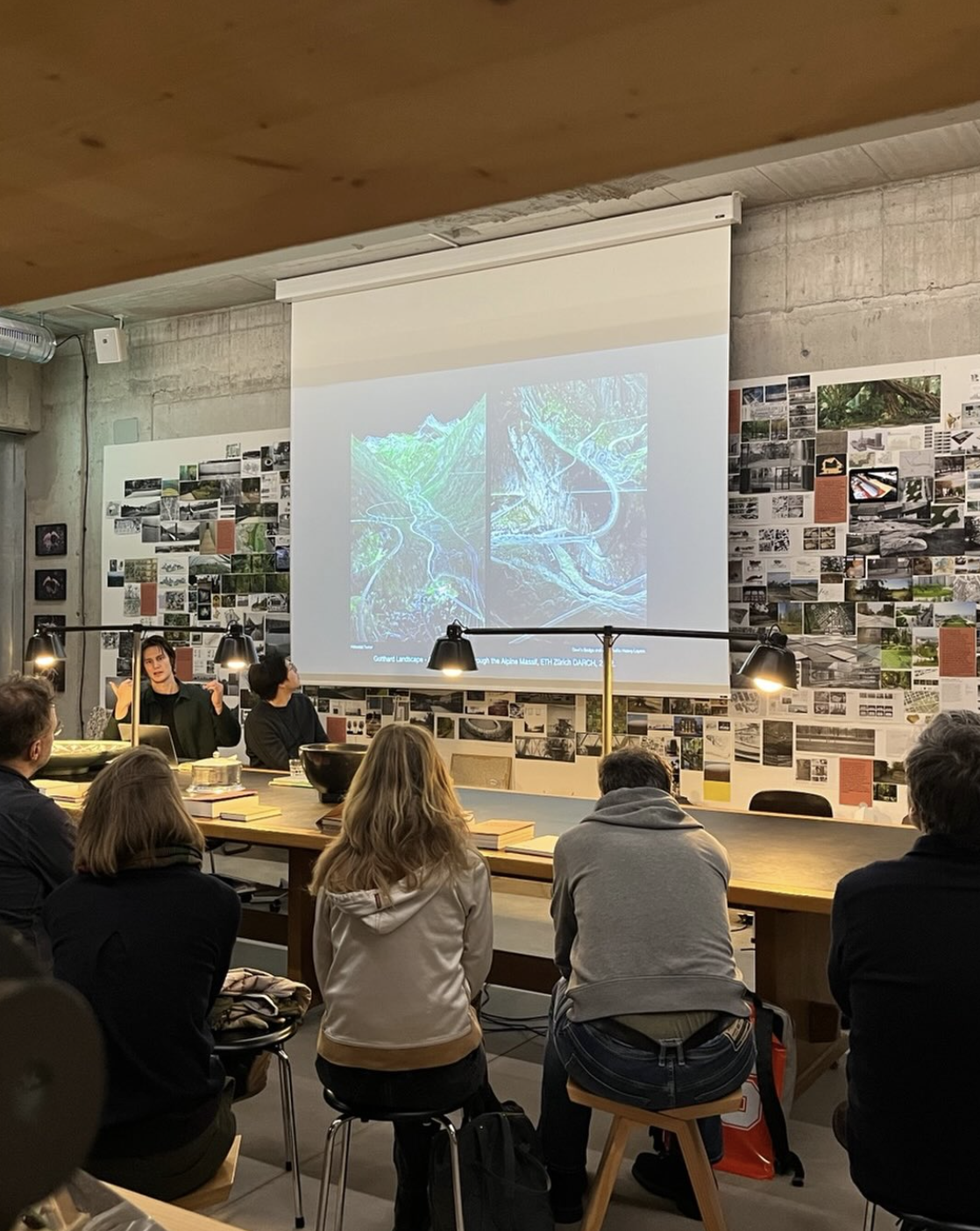
A diverse program of activities accompanies the exhibition — including workshops, lectures, and conversations. Exhibition Office serves as an open working environment and a platform for dialogue between practice, research, and the public.
Pillar 01 - Pinboard
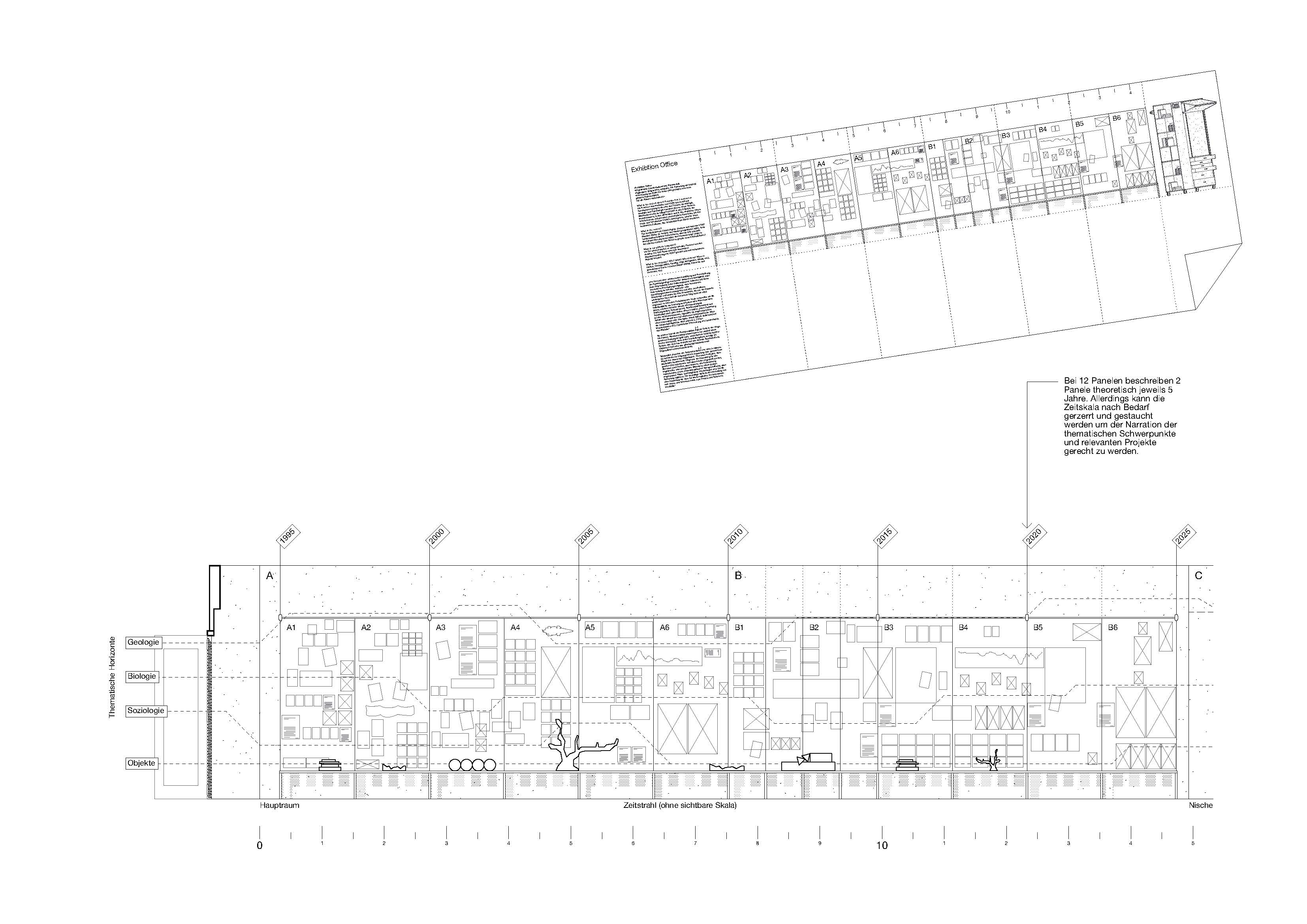
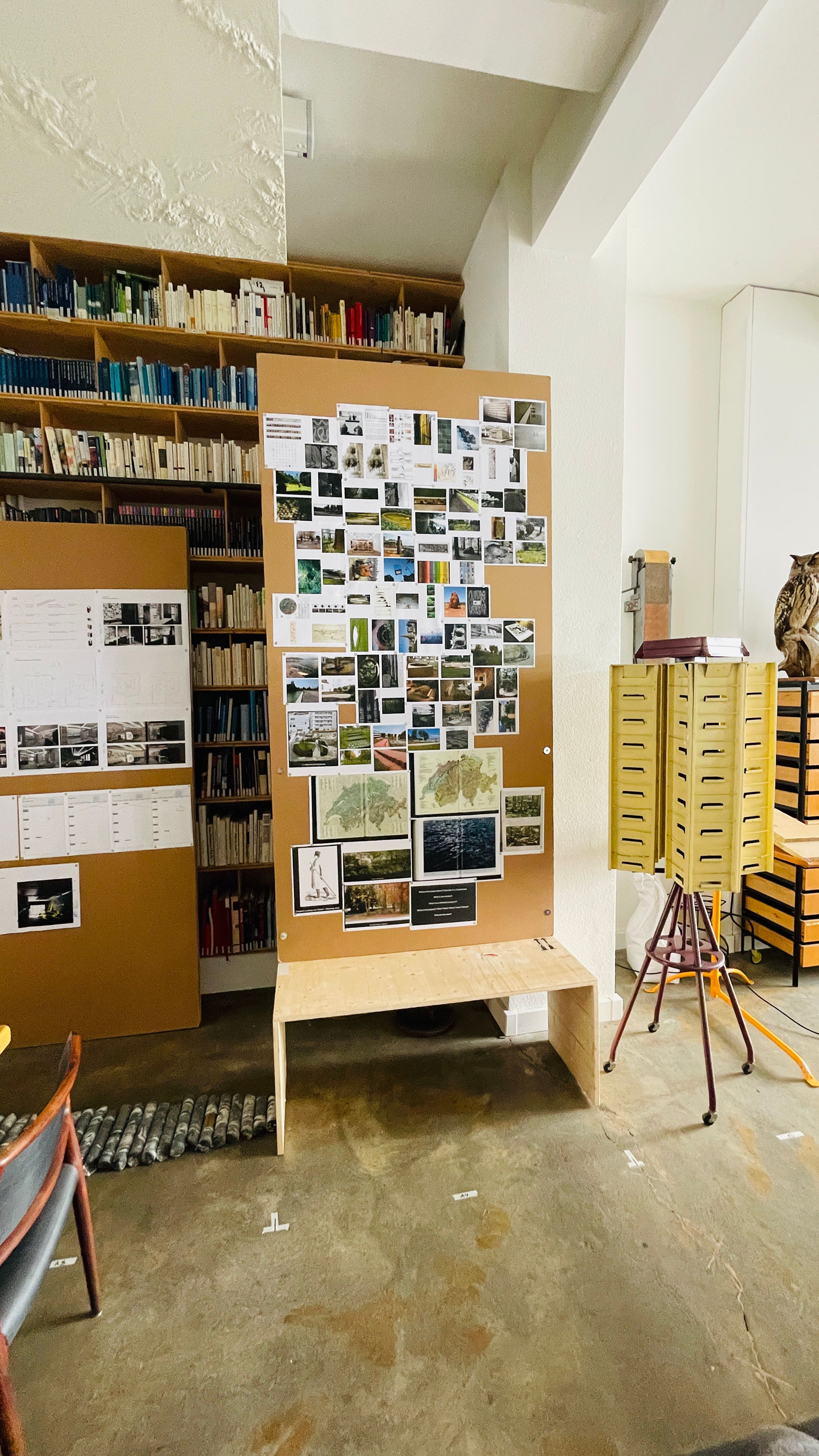
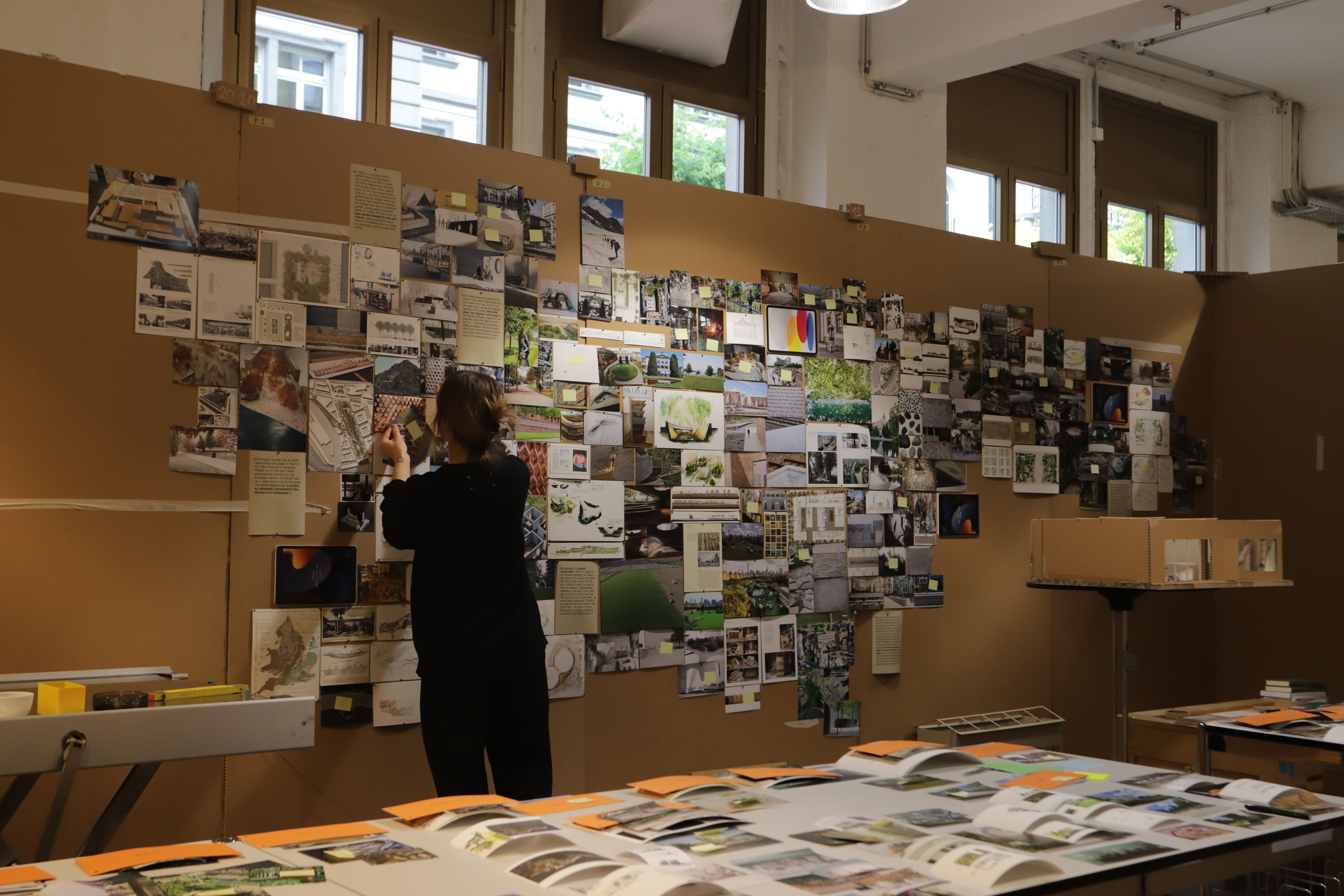
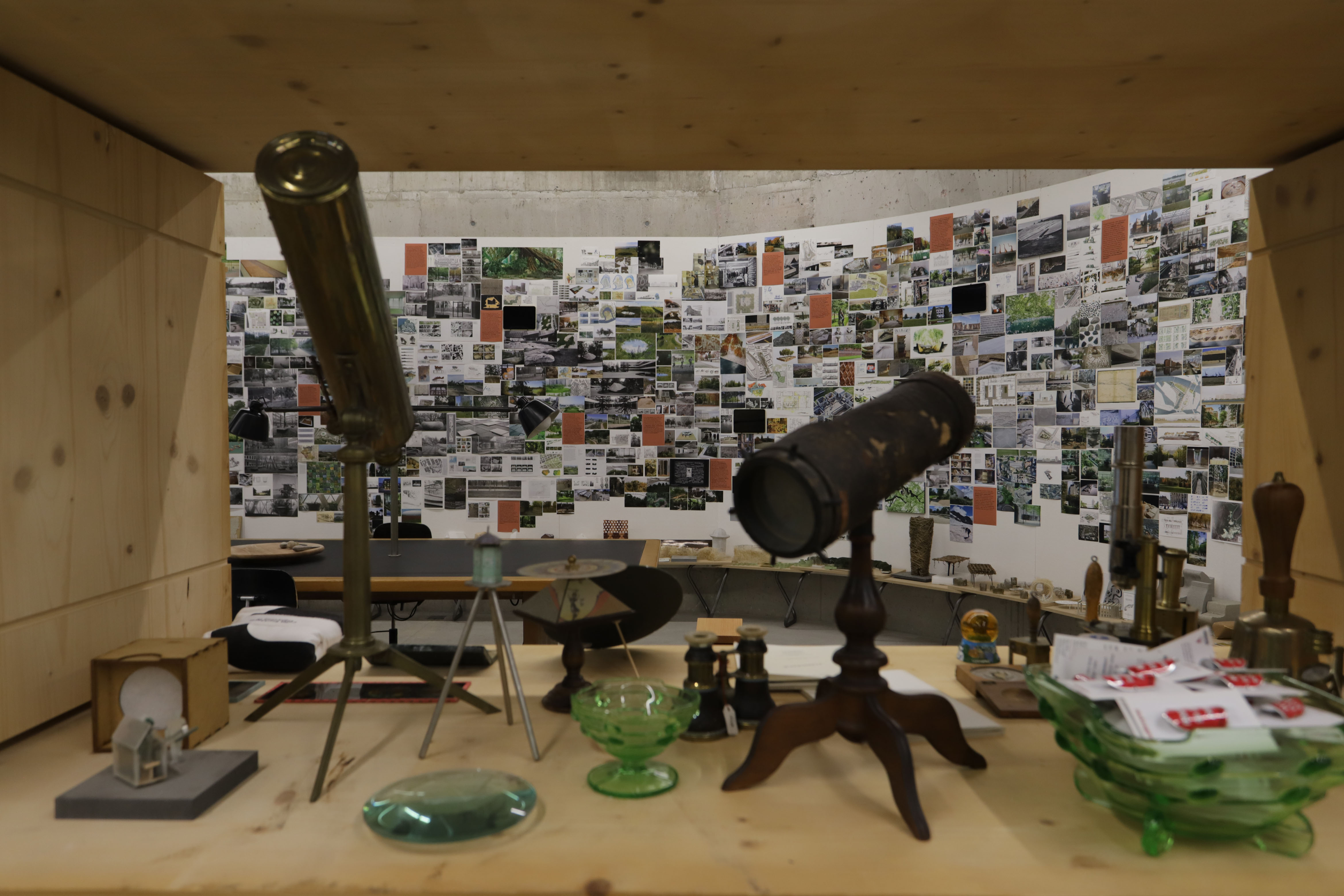
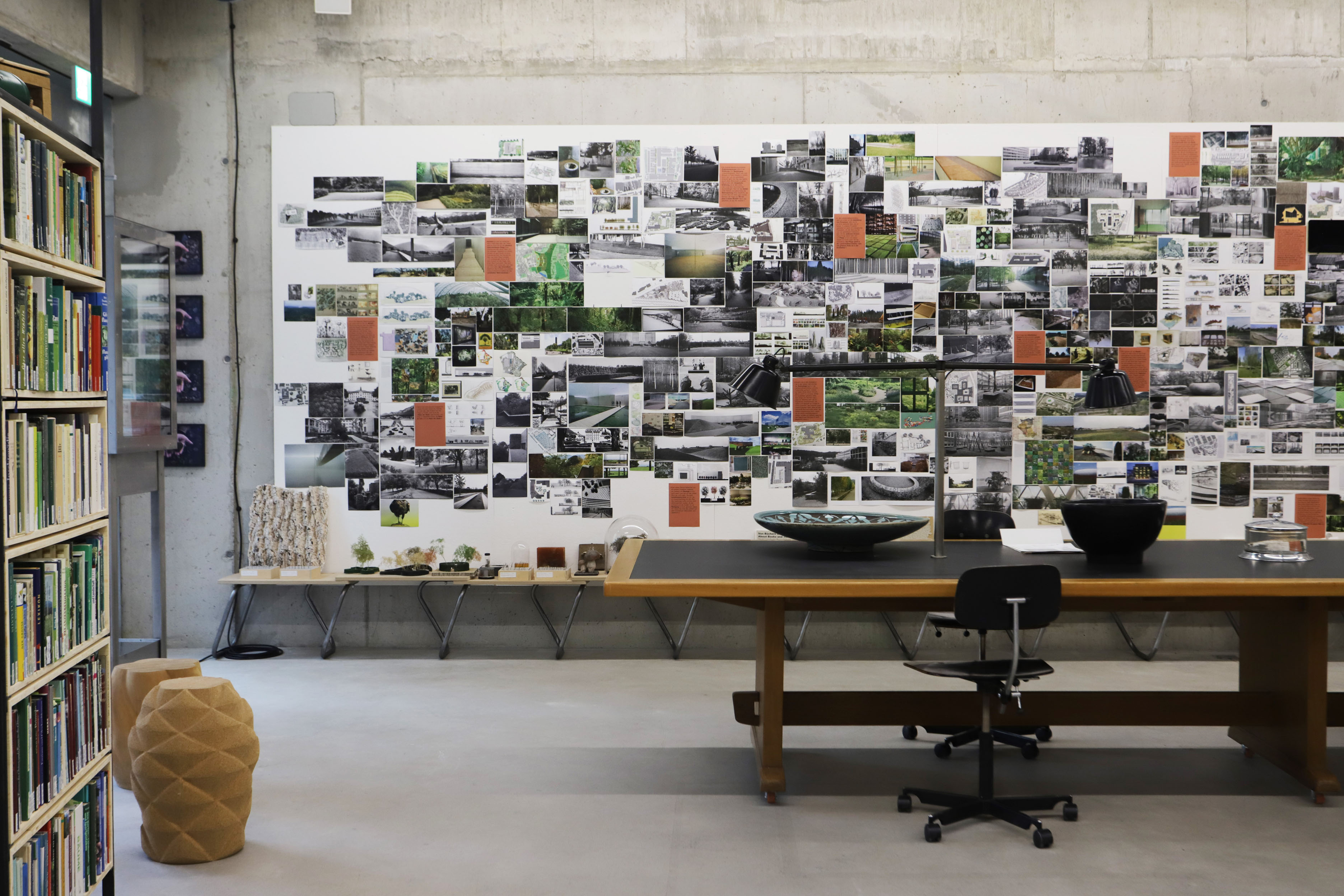
Projects by Kienast/Vogt and Vogt Landscape Architects up to 2025 were brought together on a pinboard. They were arranged chronologically, though not visibly labeled as such, revealing the development of the practice.
A further “invisible” layer of organization was based on categories such as biology, geology, and sociology. The pinboard functioned as a method for exploring the office’s own history, identifying guiding motifs, and tracing shifting attitudes.
It was not conceived as a conventional project display in the sense of a catalogue of works, but rather as an image-based perceptual surface, whose overall subjective impression was intended to open up new perspectives on the body of work and its position toward landscape.
Pillar 02 - Wunderkammer
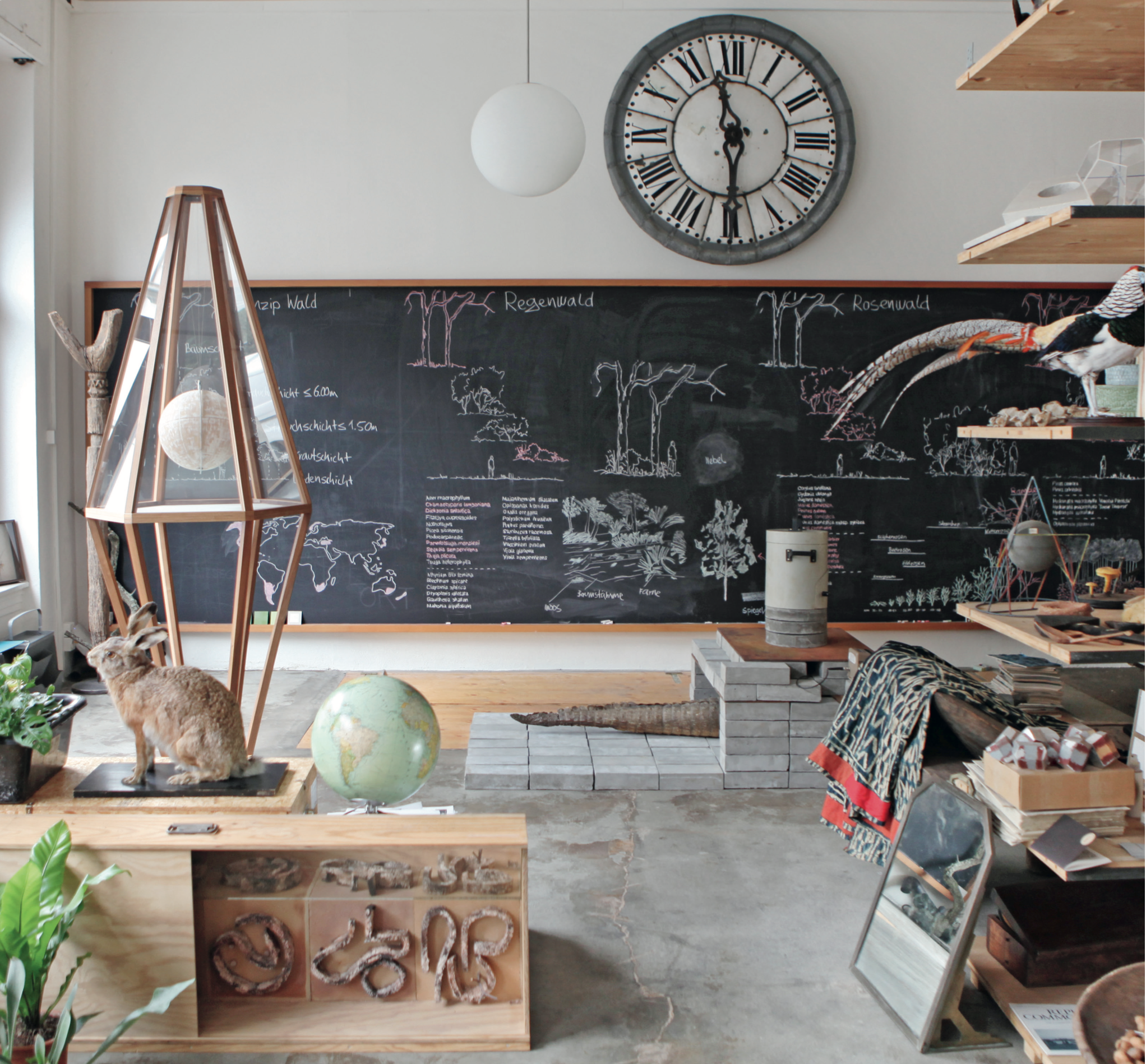
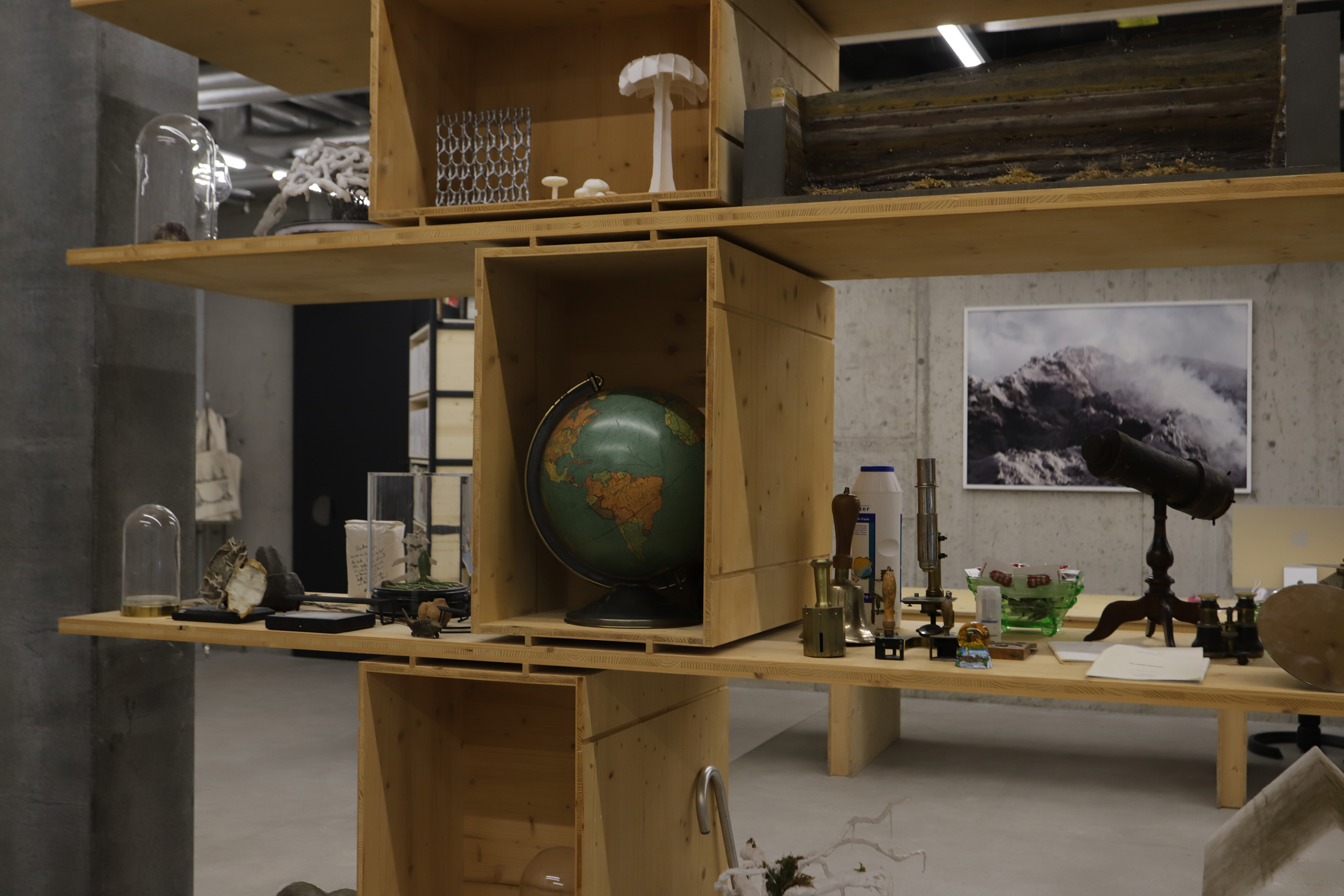
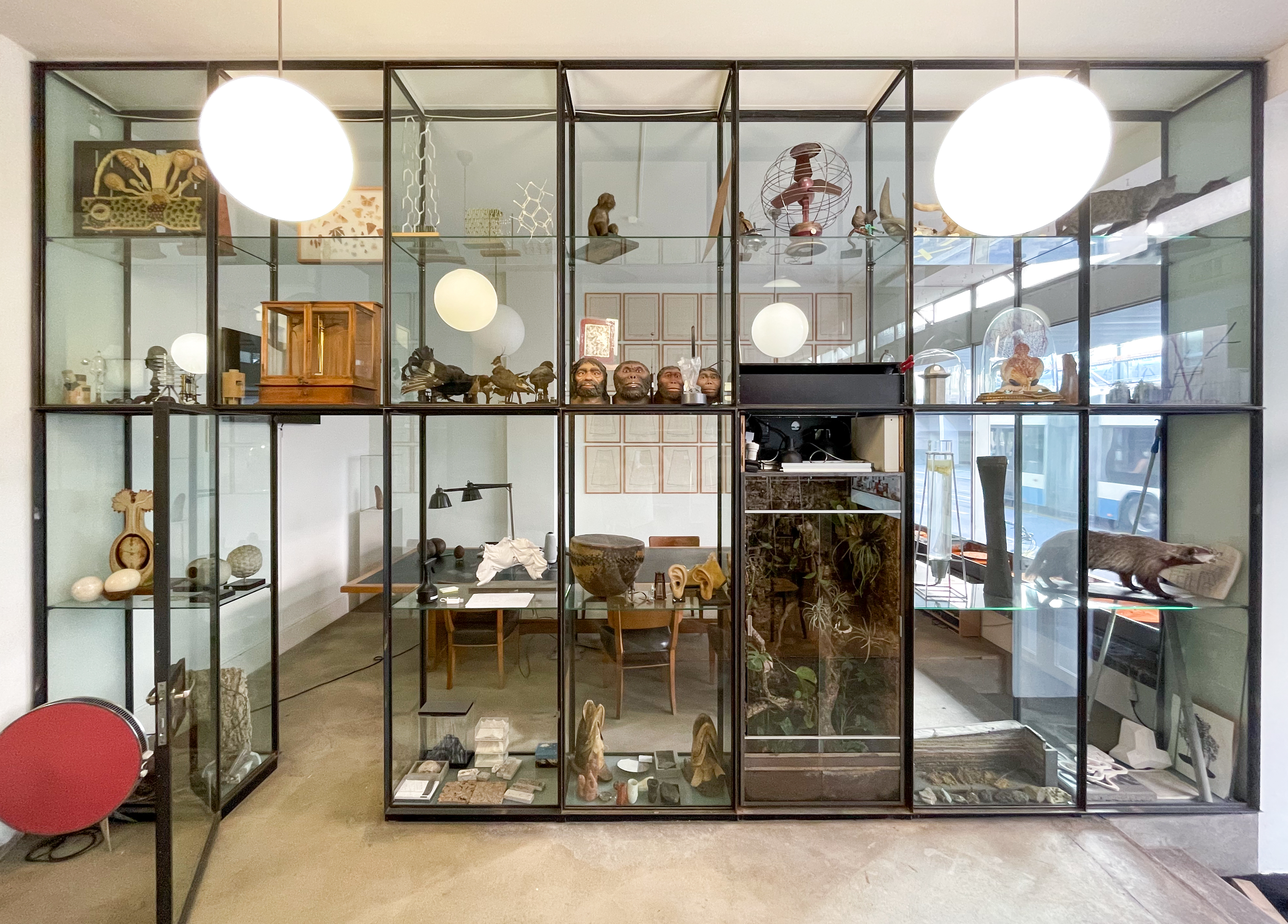
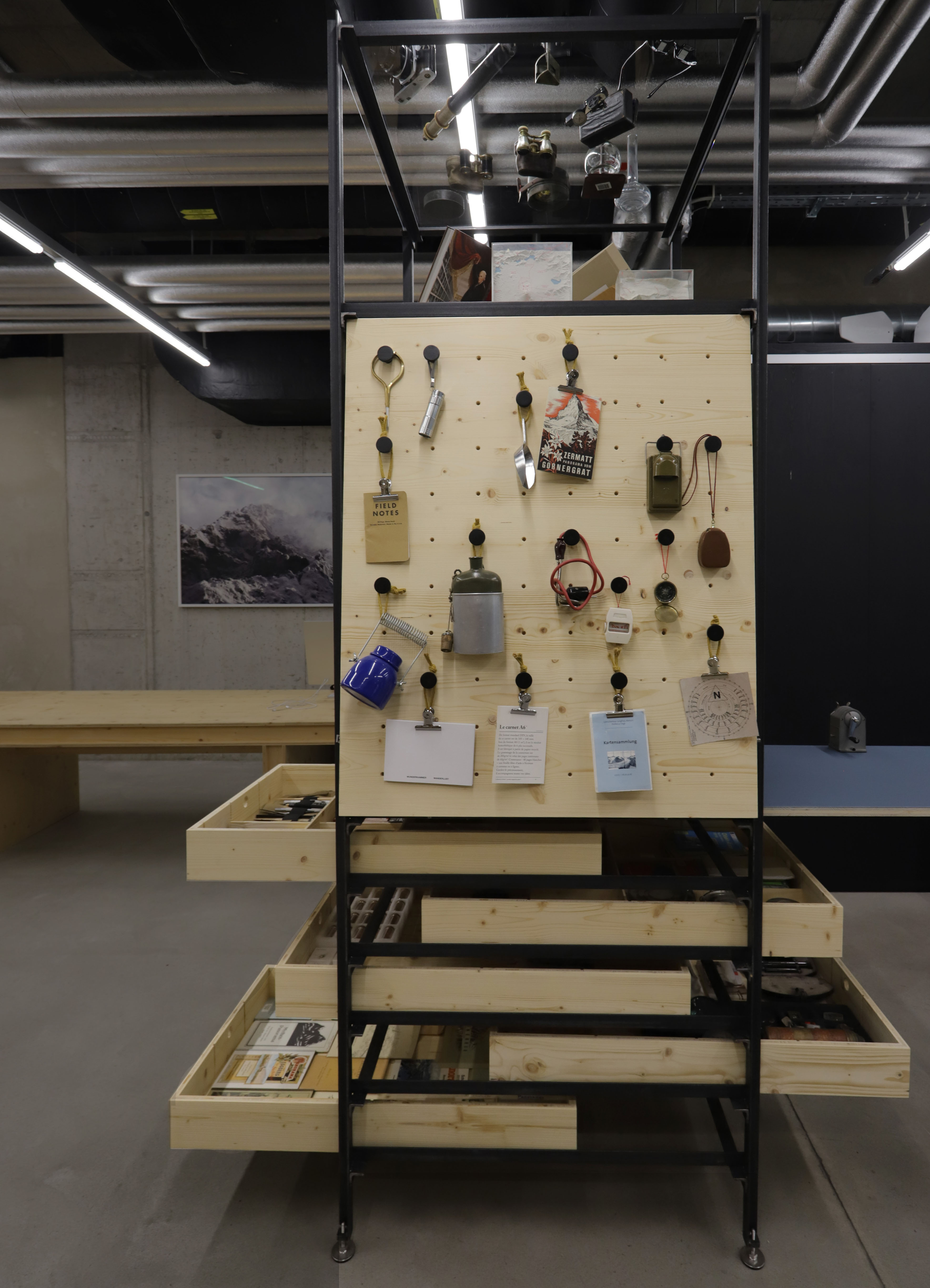
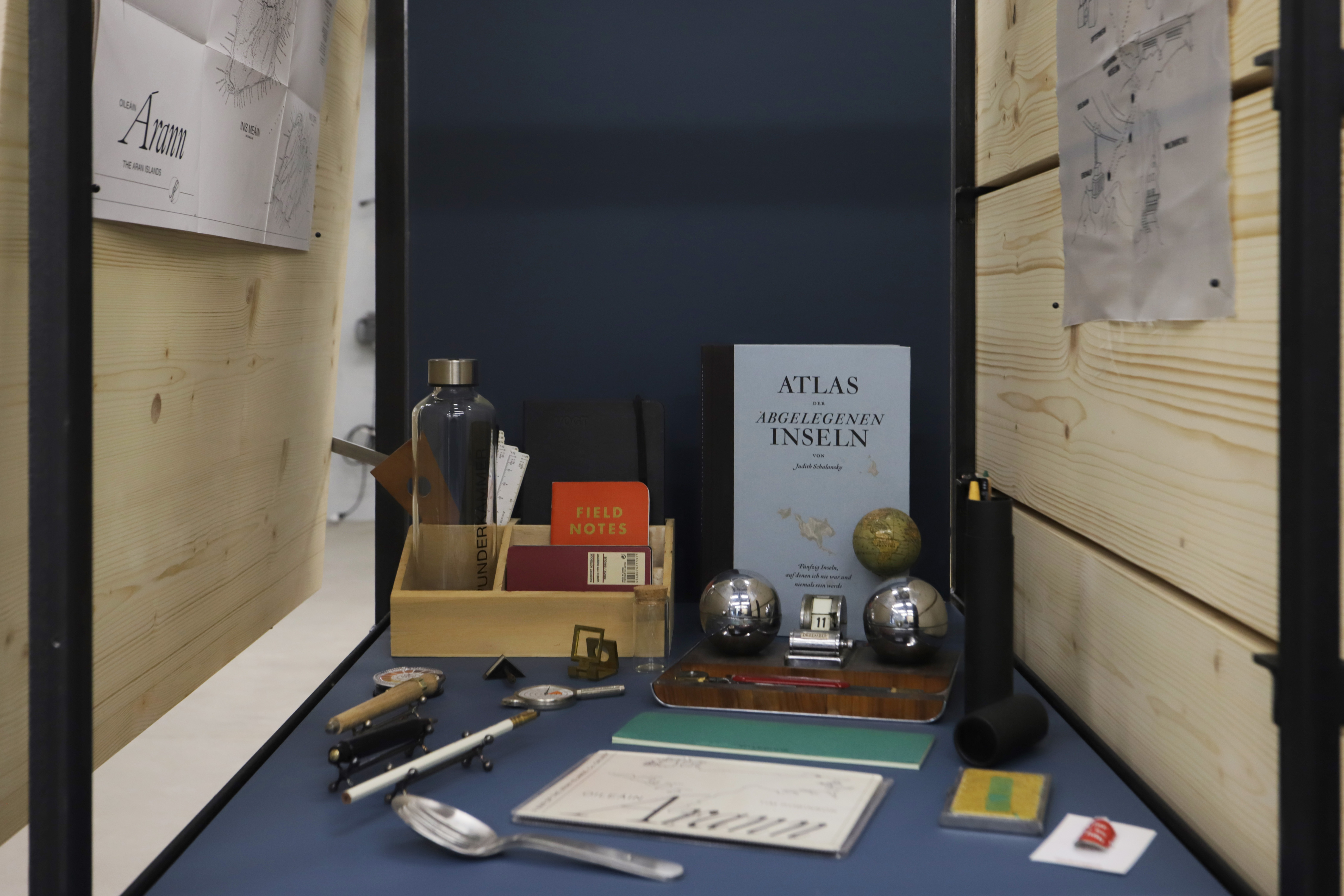
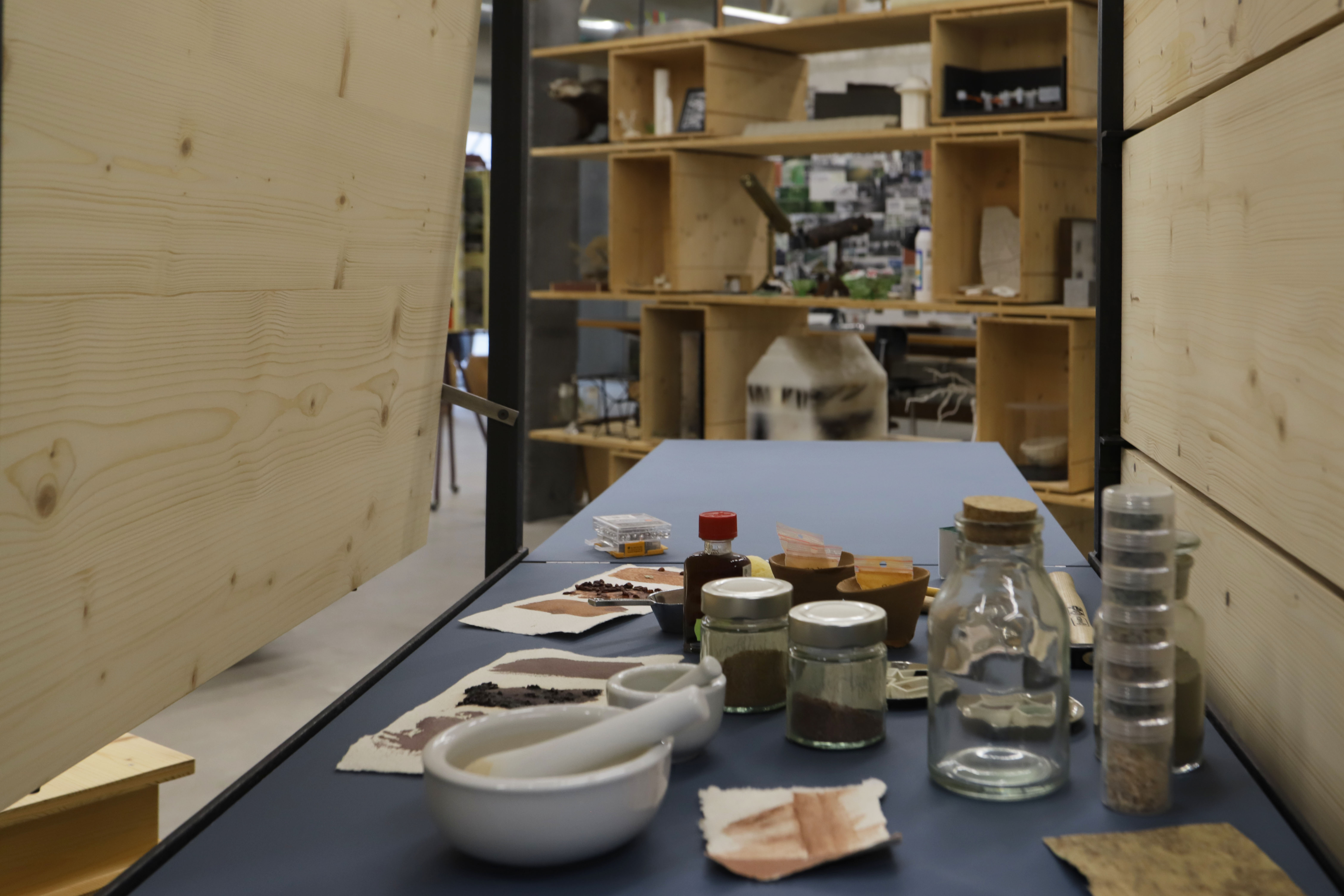
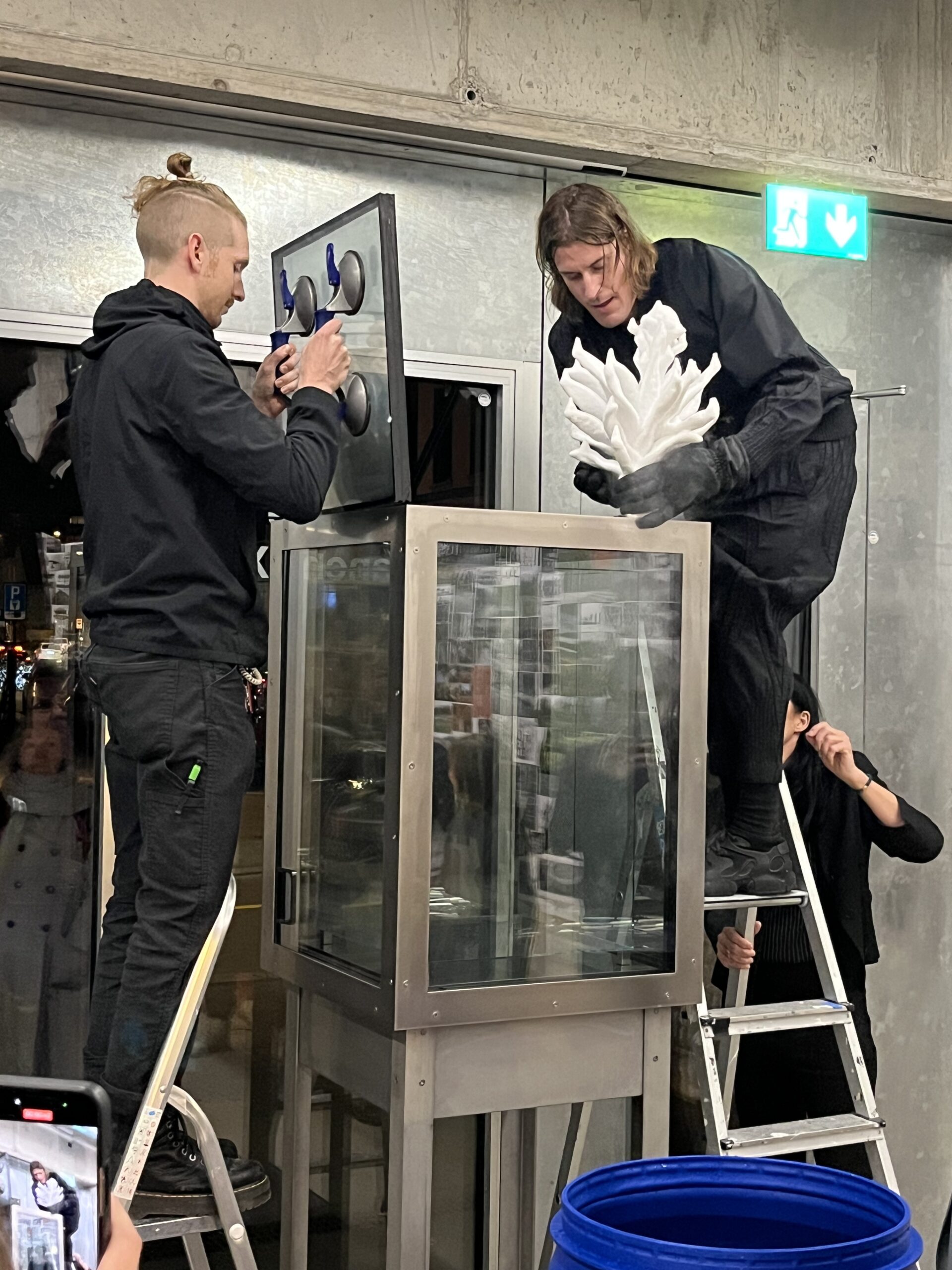
The collection comprised objects from the Wunderkammer with a personal history or a specific design or exhibition context. The objects functioned as instruments of observation, mediums of experience, and representational models. They formed fragmentary representations of real “models” or landscapes in miniature, creating an open framework of thought that connected design, perception, and theory.
The objects invited a sense of wonder, opening up ways to engage with complex relationships within the landscape. They also served, in the on-site work, as sources of inspiration and as tools for design.
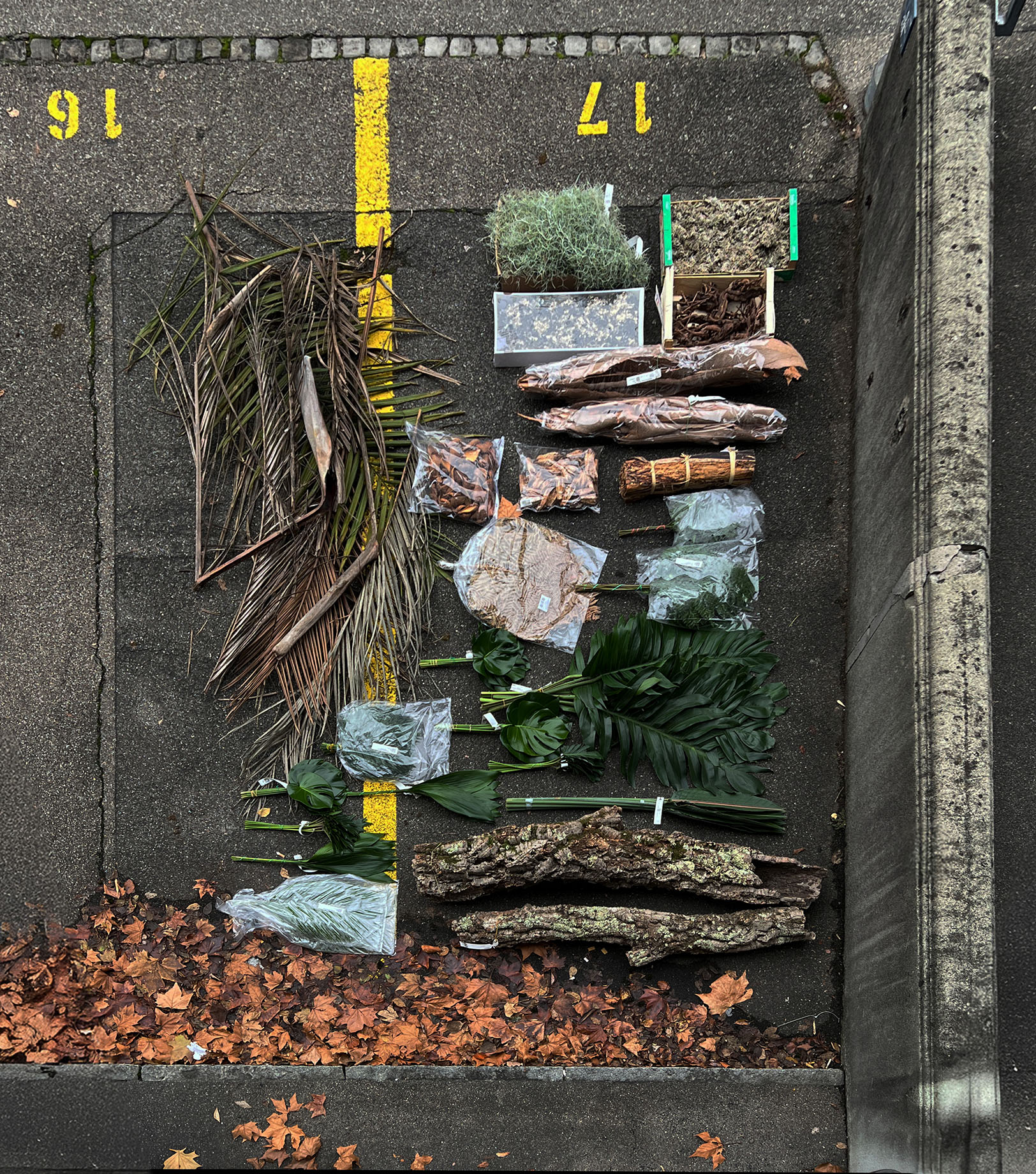
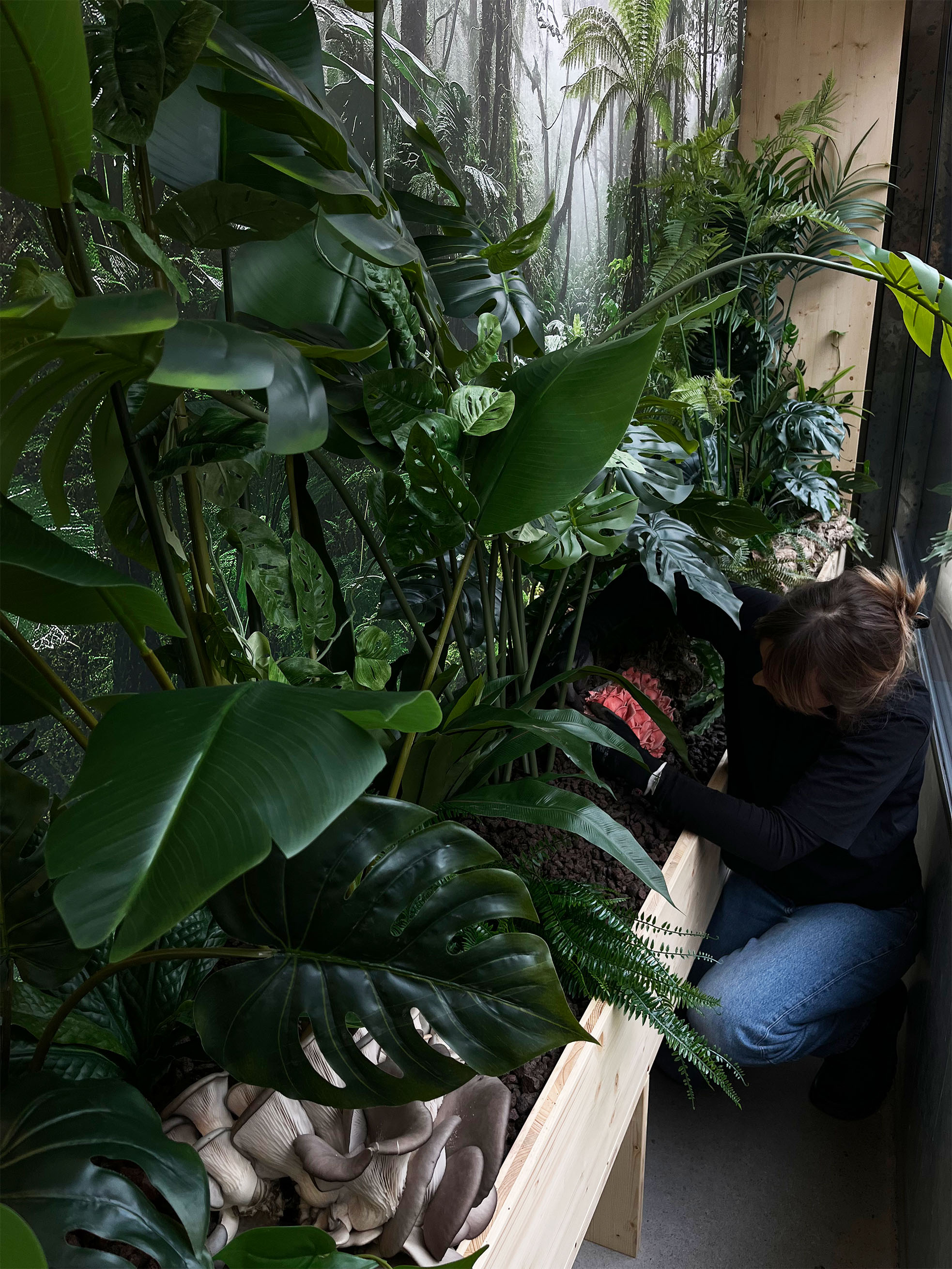
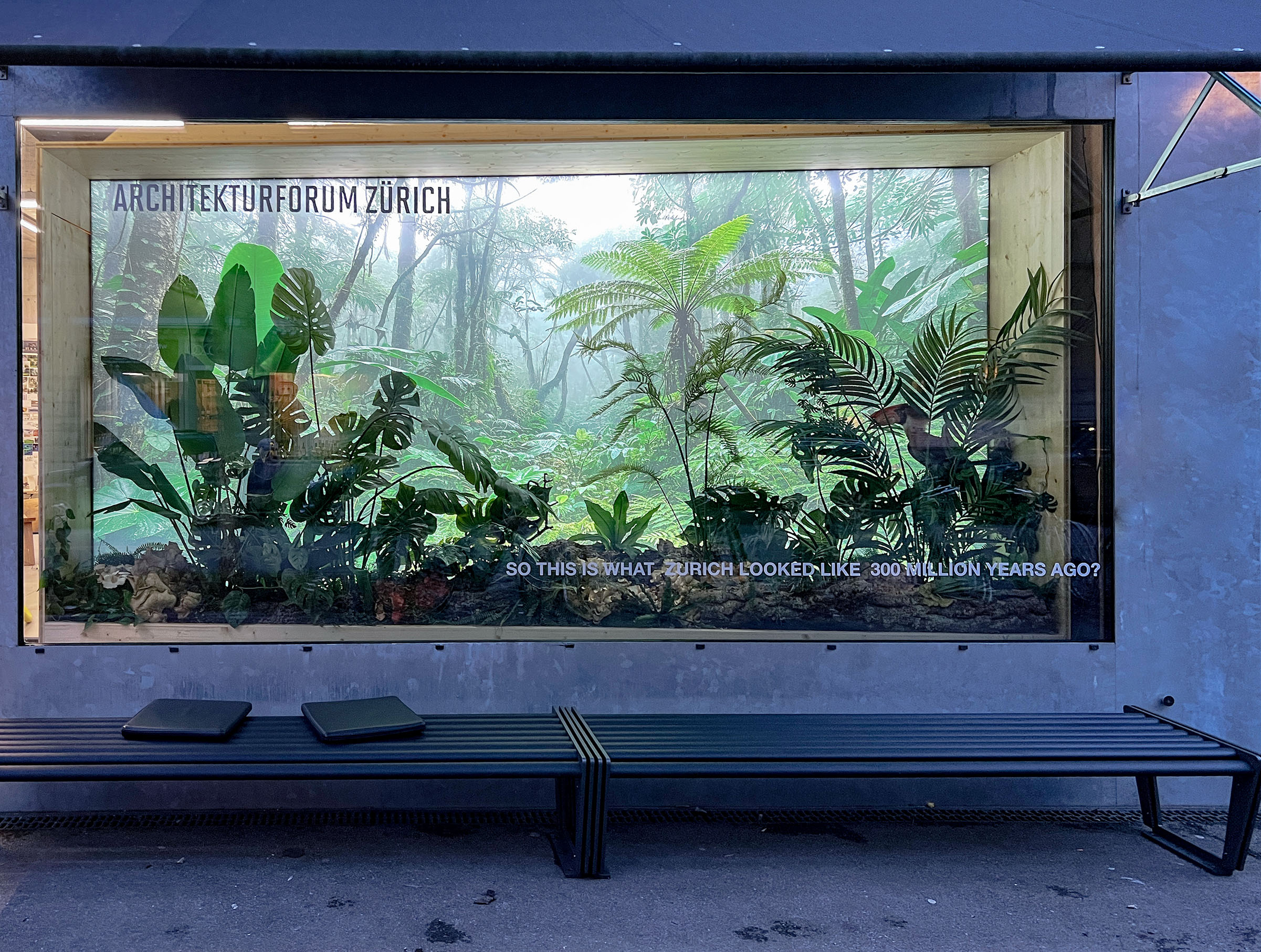
Presented at the Carte Blanche XXI Office Exhibition, the diorama acts as both a tool for reproducing and a window onto the landscape. Typically reconstructed within the office environment, it reflects on how we interpret and reimagine the past—posing the question: “So this is what Zurich looked like 300 million years ago?”
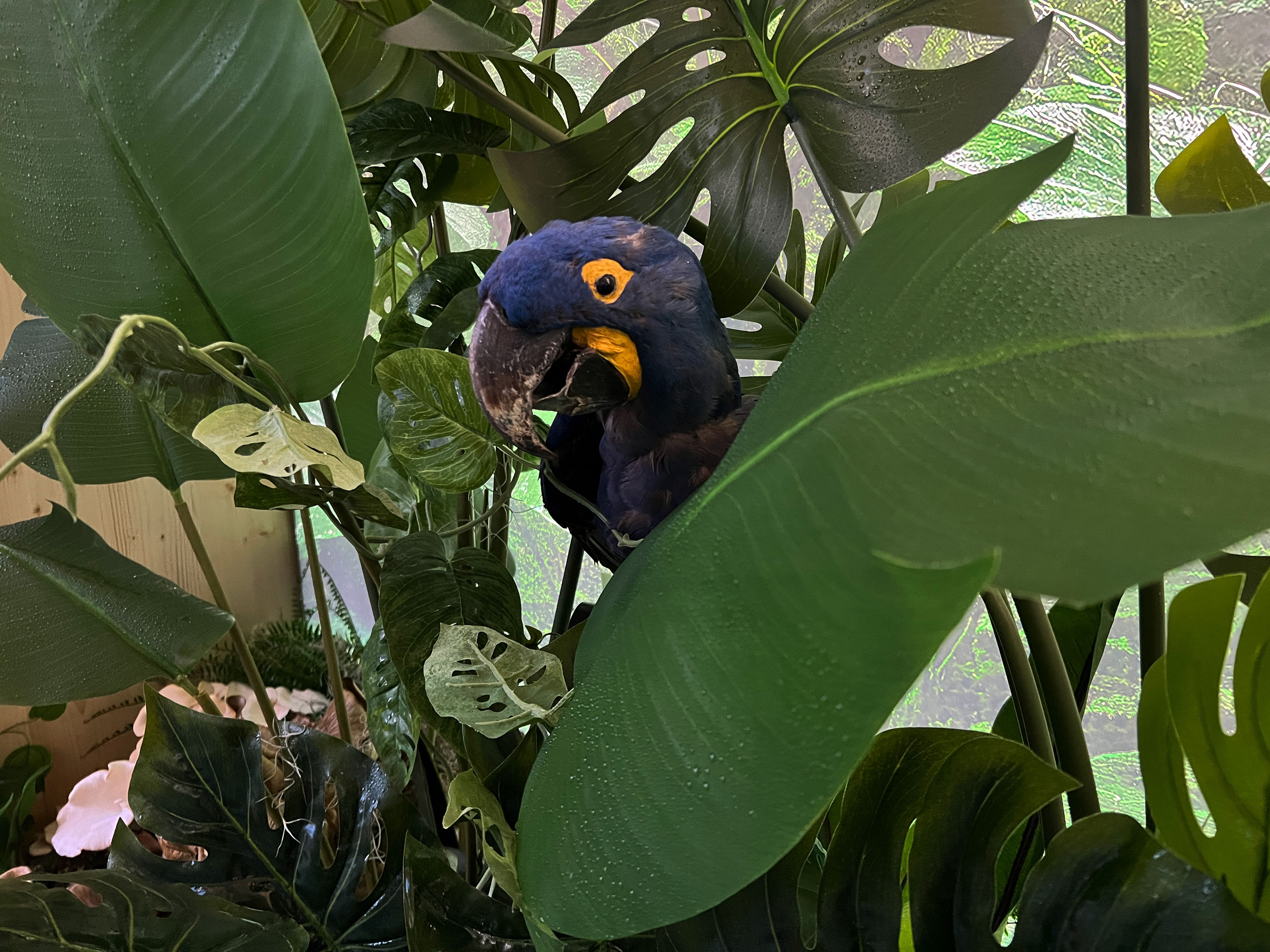
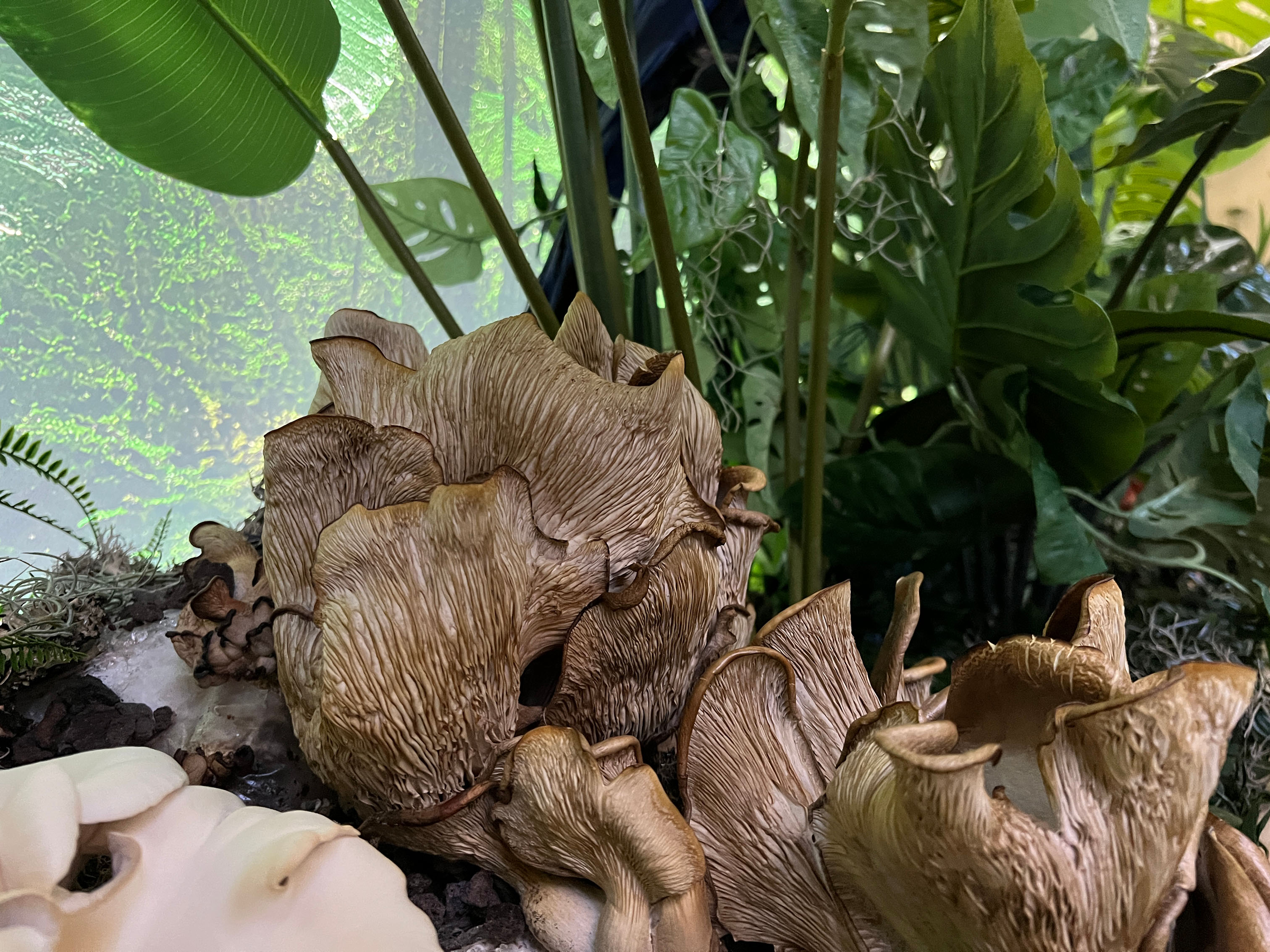
Blending AI-generated imagery, artificial plants, and a taxidermy specimen, the work examines the tension between the natural and the artificial. Drawing on scientific knowledge yet grounded in speculation, it invites us to reconsider our position as observers and creators of reconstructed nature.
Pillar 03 – Working on Site
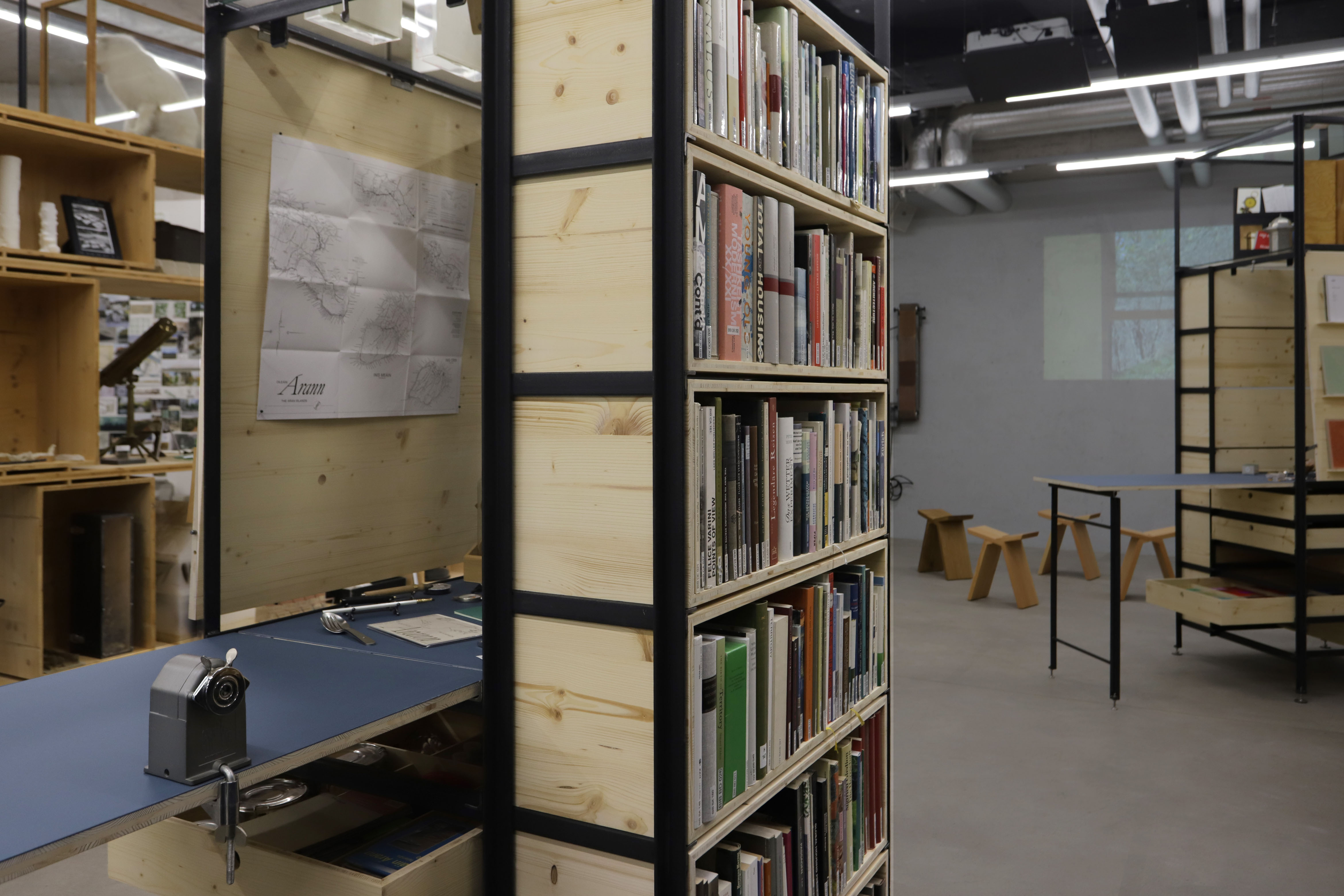
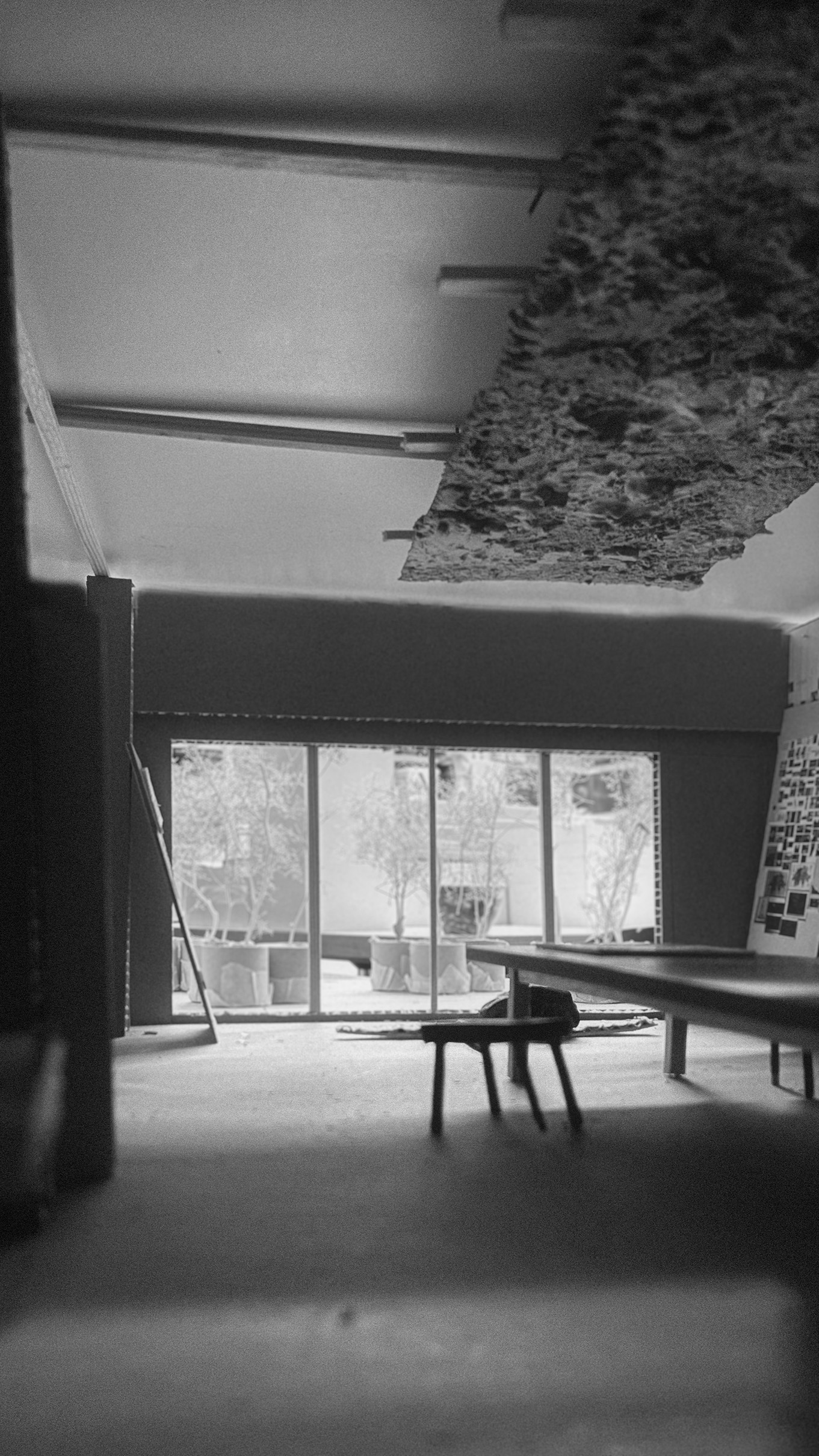
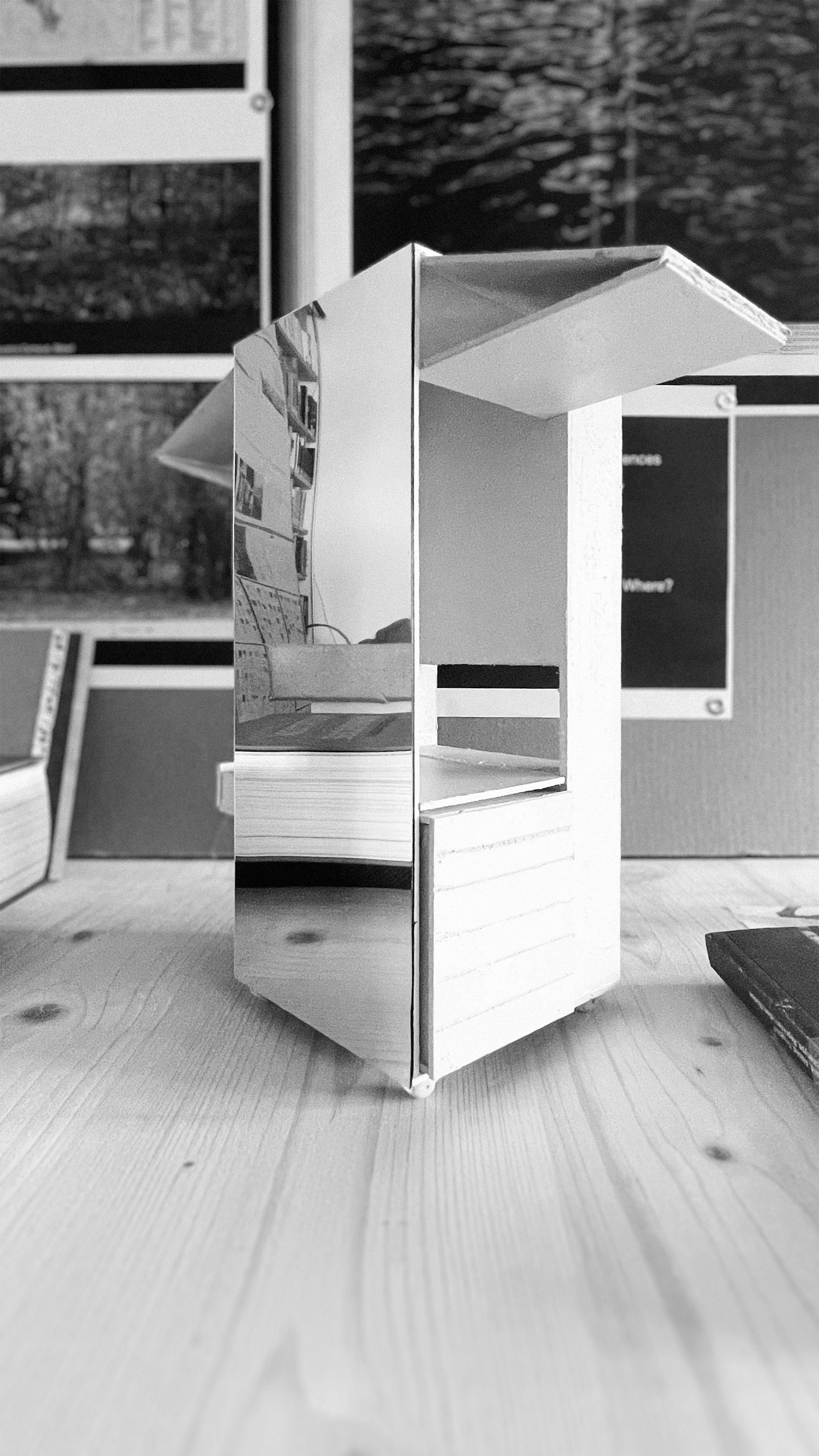
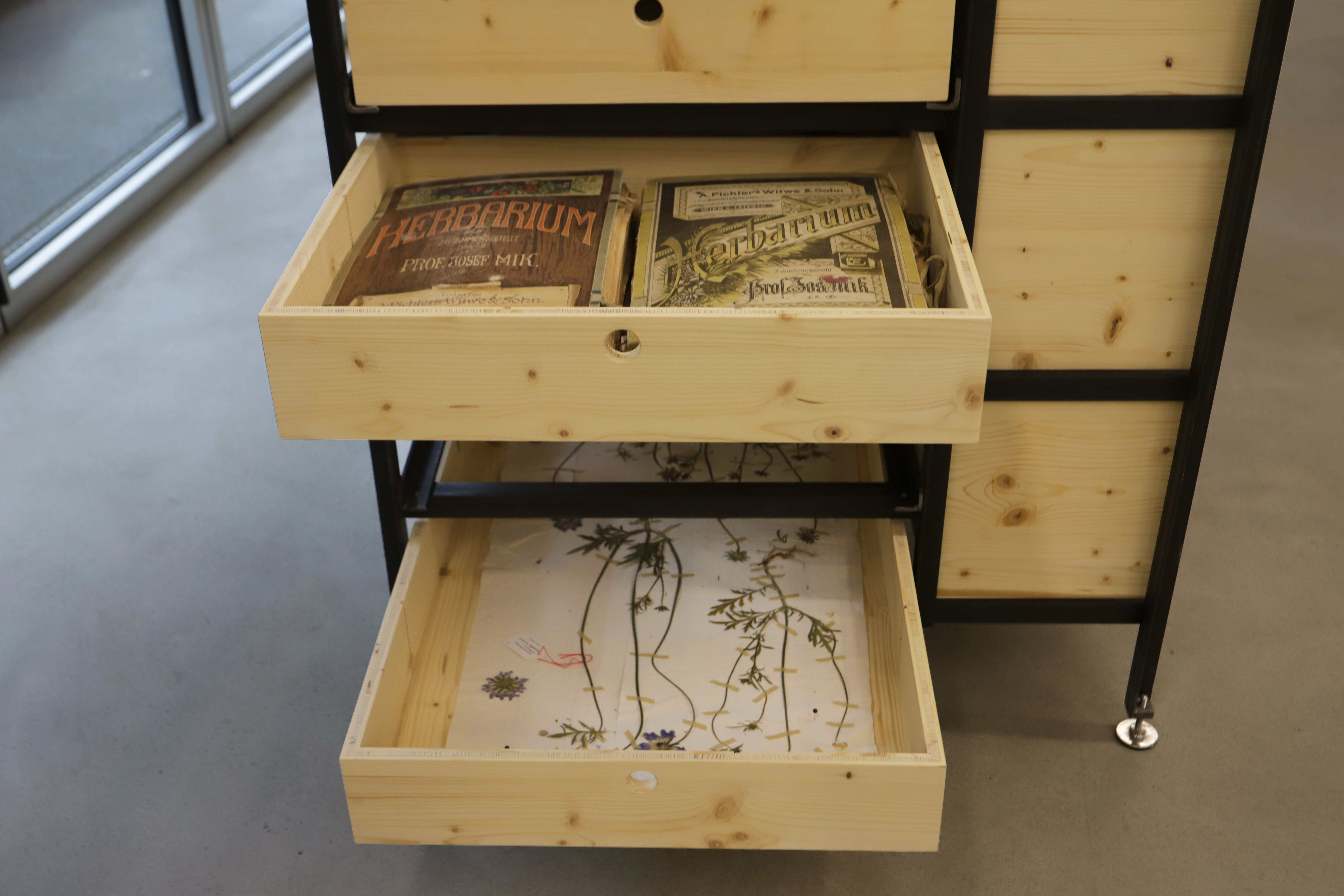
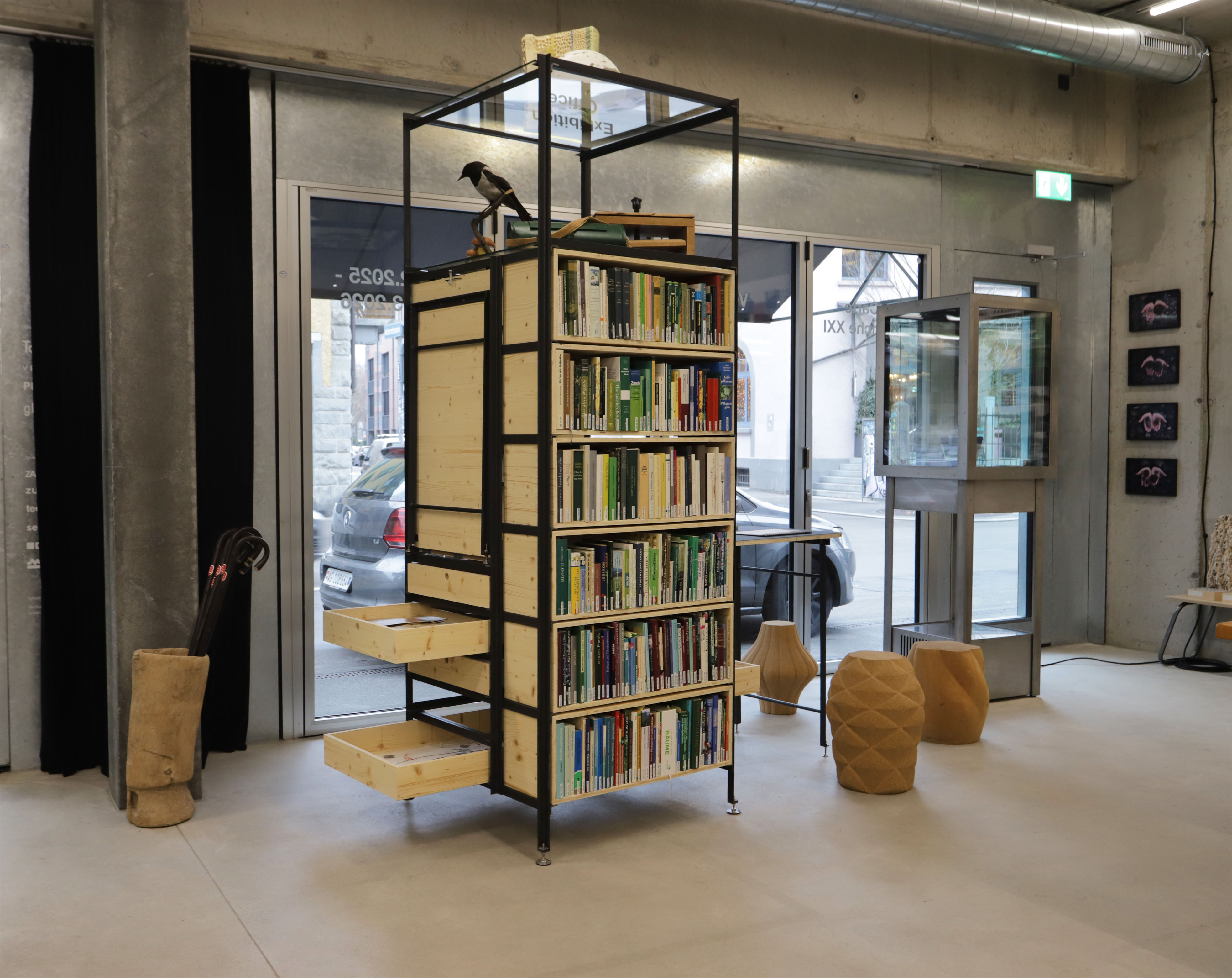
The large worktable was located in the wing in front of the floor-to-ceiling display window. Several workstations with the necessary equipment were set up here. The cabinets served as a spatial extension of the working environment and could be positioned and used as needed. They also embodied various design principles and methodologies at VOGT, inviting visitors to explore different tools and specialized libraries. Those working on site also acted as points of contact for visitors.
Pillar 04 – Events and Network
The exhibition presents itself as an open working environment and a dynamic platform for exchange with experts and the public. Making visible our network built over three decades of design practice with individuals, institutions, and companies is a central aspect of this.




 Newsletter