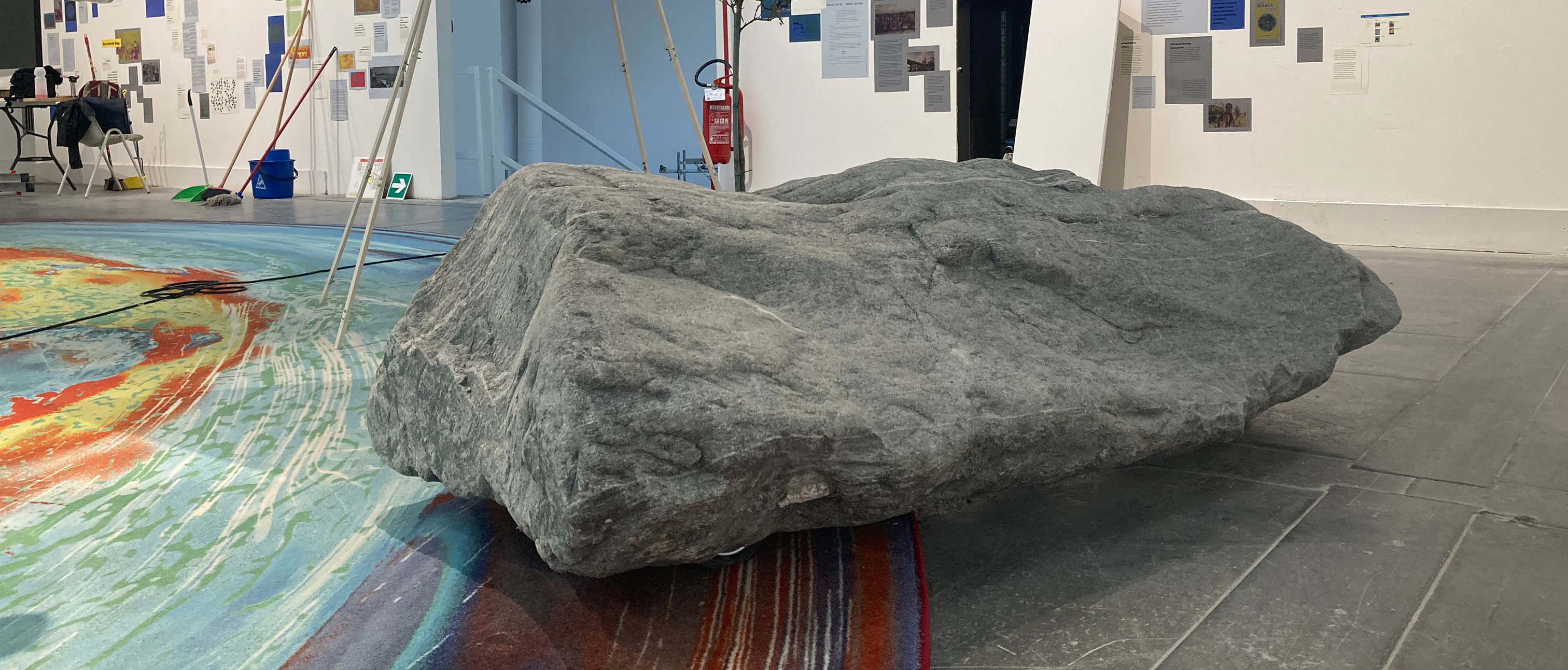
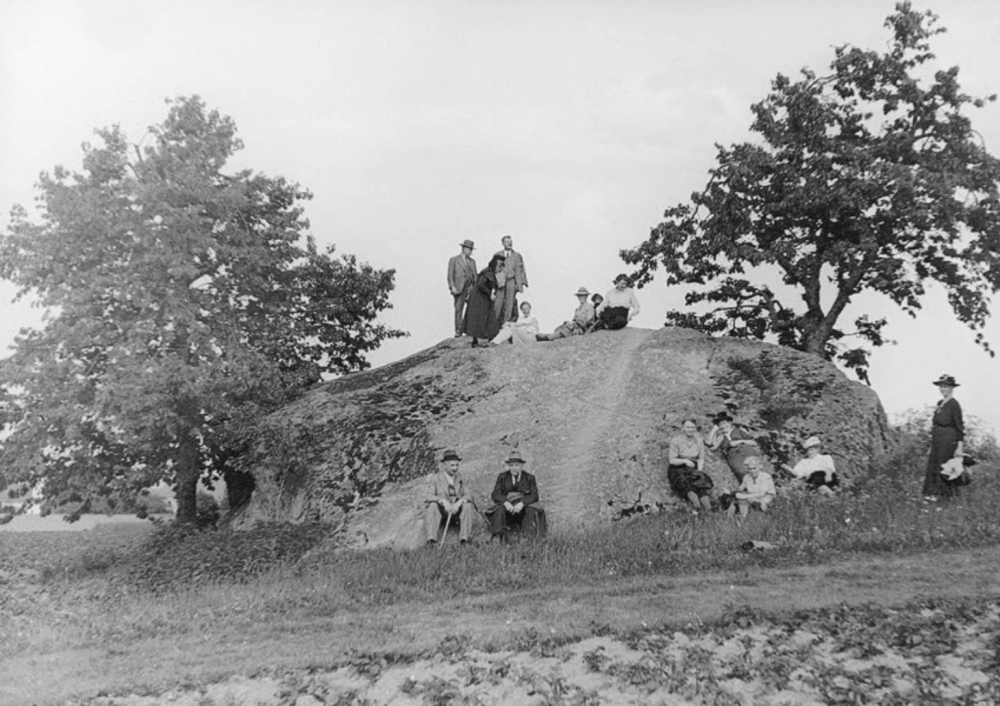
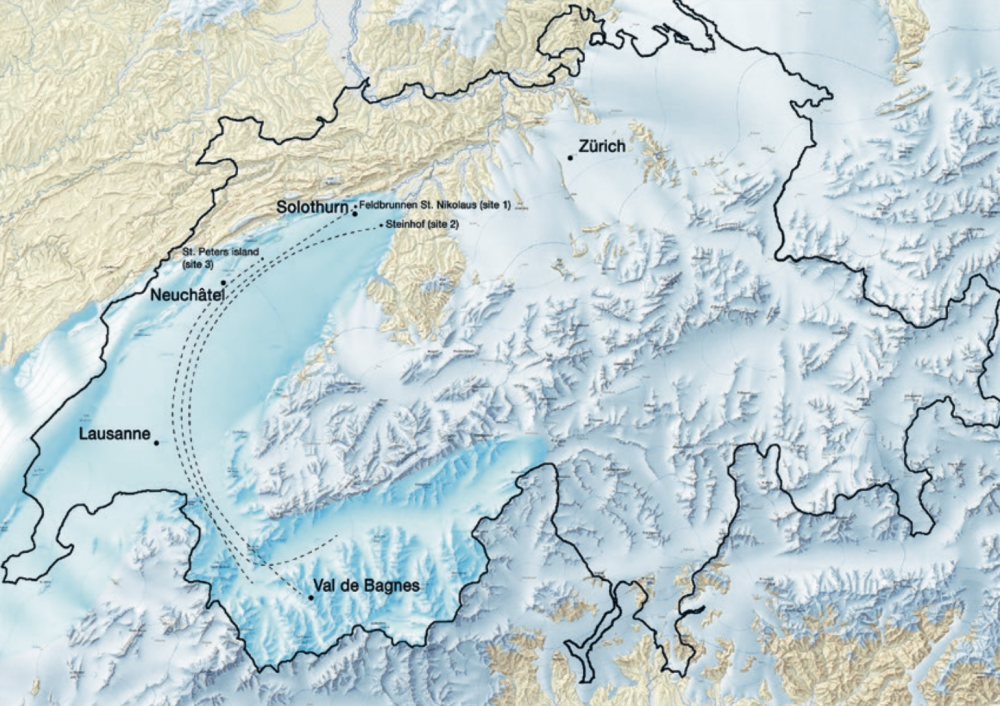
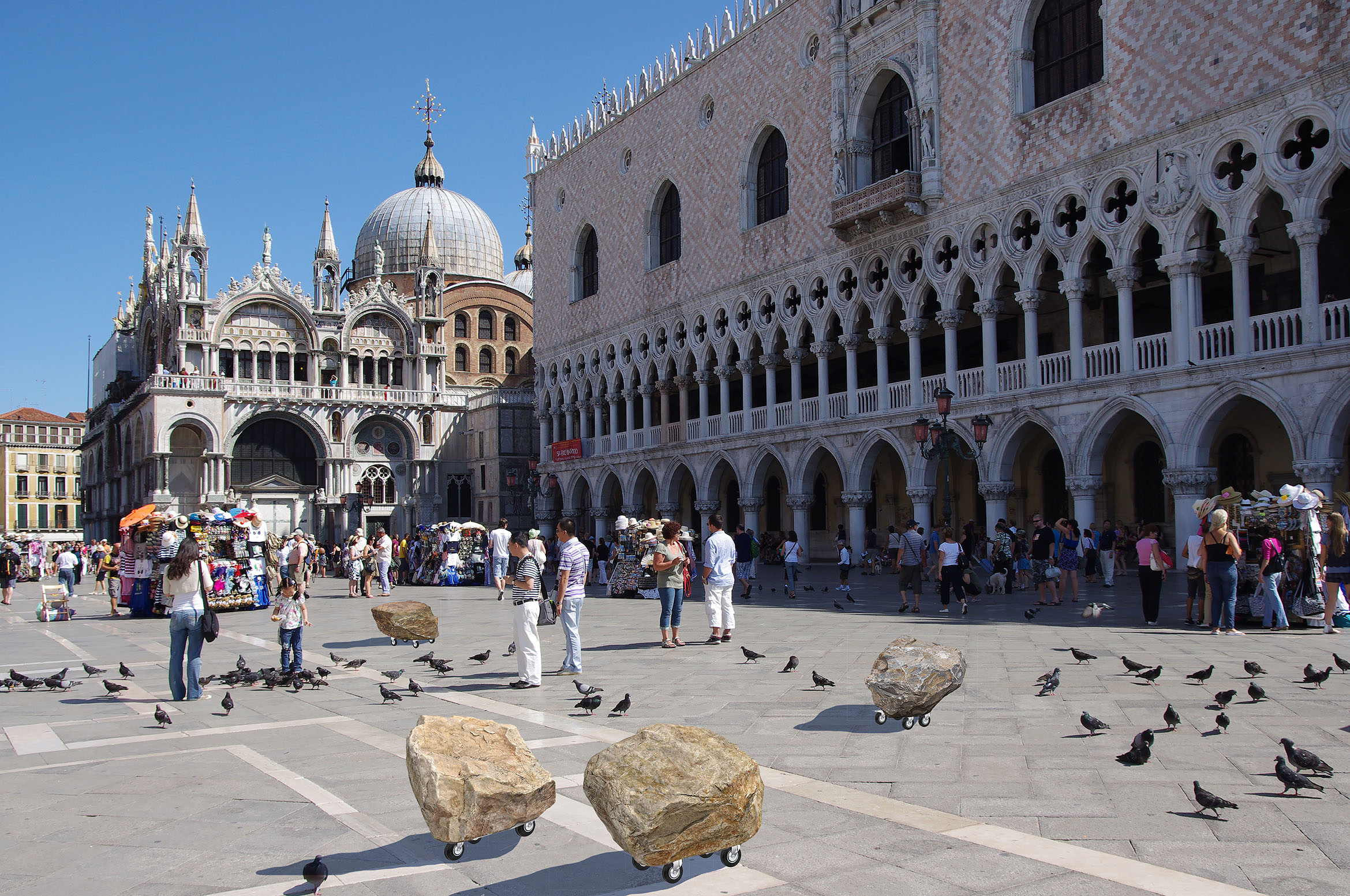
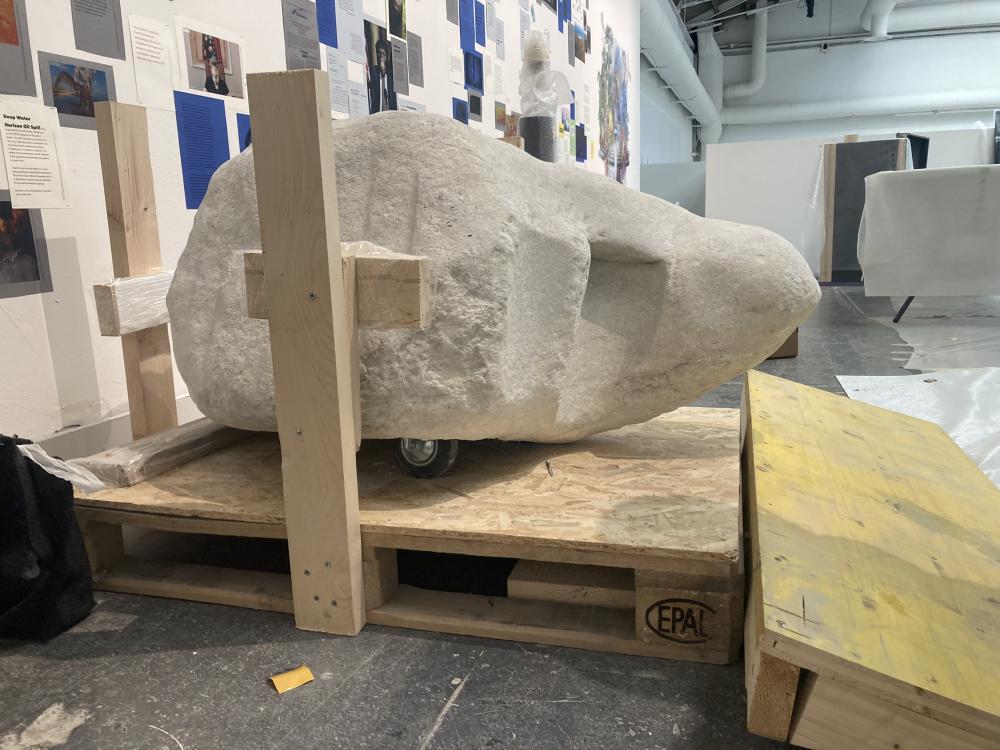
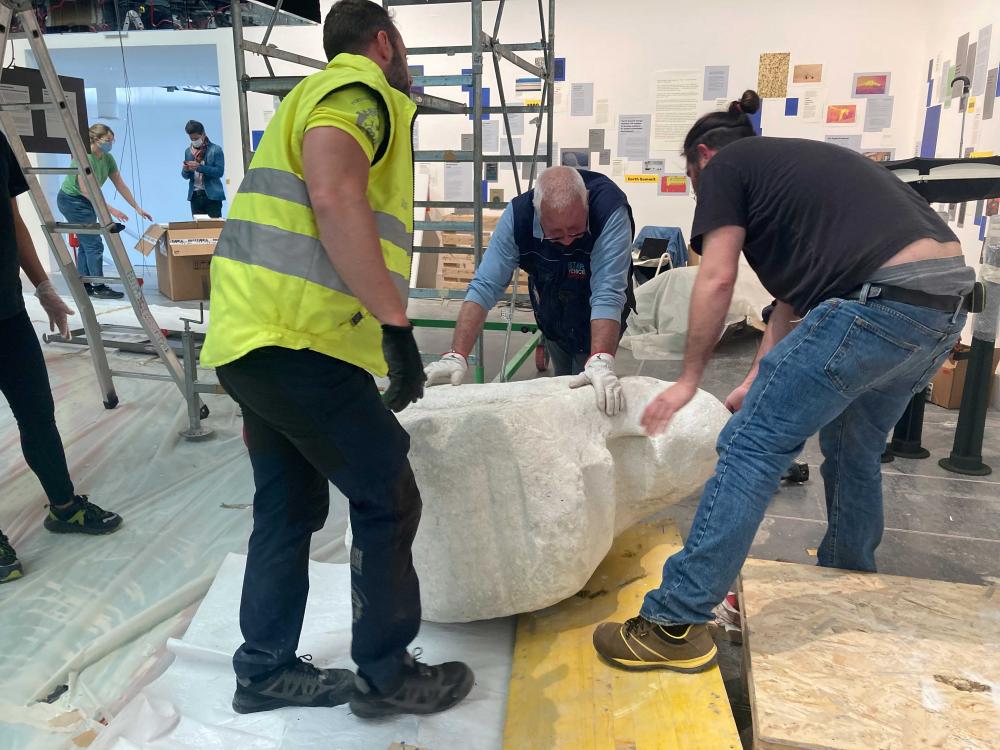
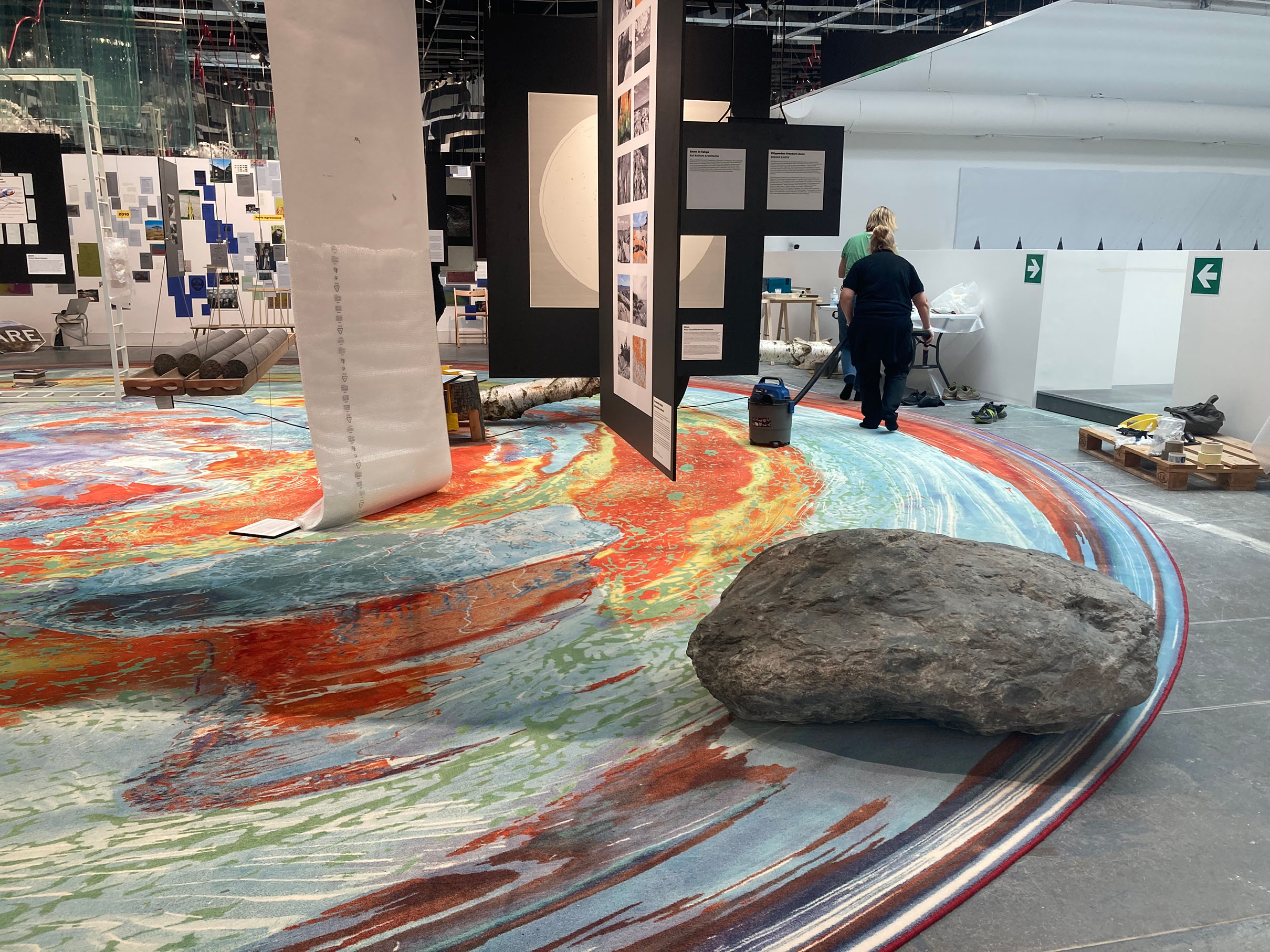
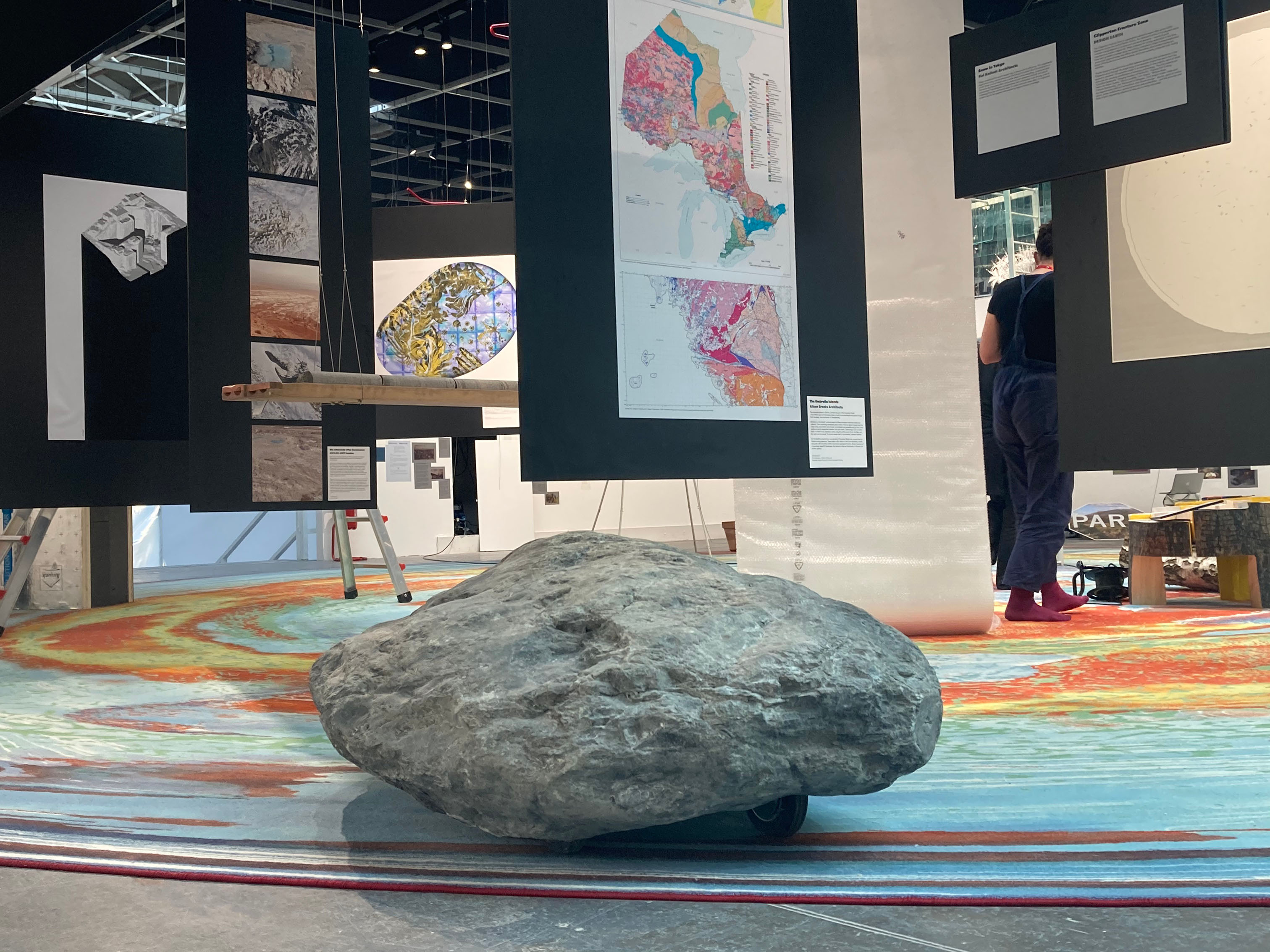
In landscapes formed by glaciers, erratic boulders bear witness to the former presence of ice and, at the same time, refer to the distant places of their actual origin. However, the respective knowledge is pretty recent. Until the middle of the eighteenth century, people marveled in disbelief at the very presence of these boulders whose material and dimensions differed quite noticeably from their surroundings. Some quite adventurous stories were told, and explanations “found” in an attempt to shed light on this mystery. The same as the erratic boulders of the various glaciers, the stones of the exhibition come from the most diverse Alpine formations. They reflect the range of geological conditions of this Alpine space, whose origins go back to the collision and partial overthrust of the two continents of primeval Africa and primeval Europe. Geomorphological processes subsequently created the characteristic relief and the specific and fundamental conditions for the genesis of Alpine culture.
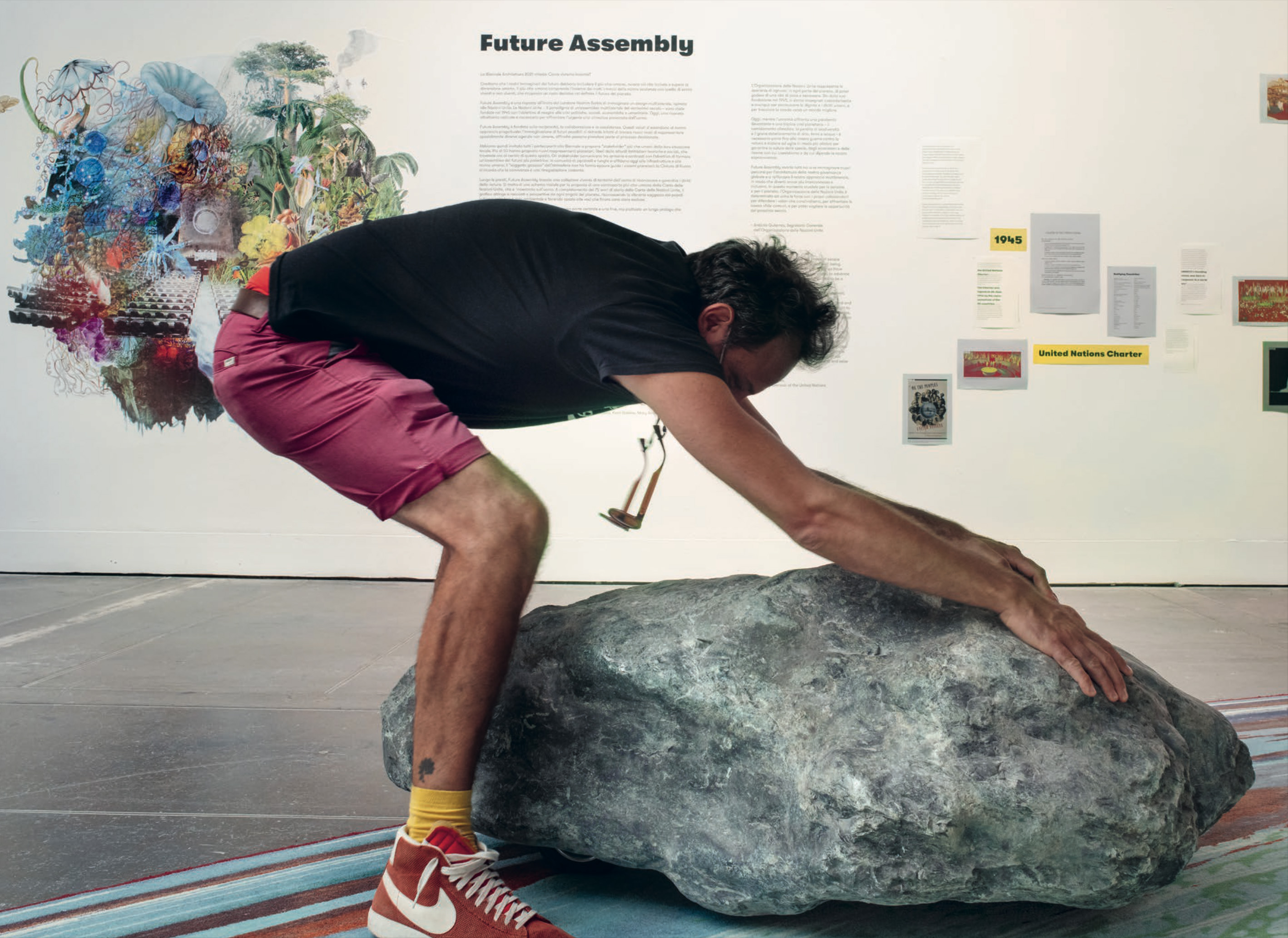
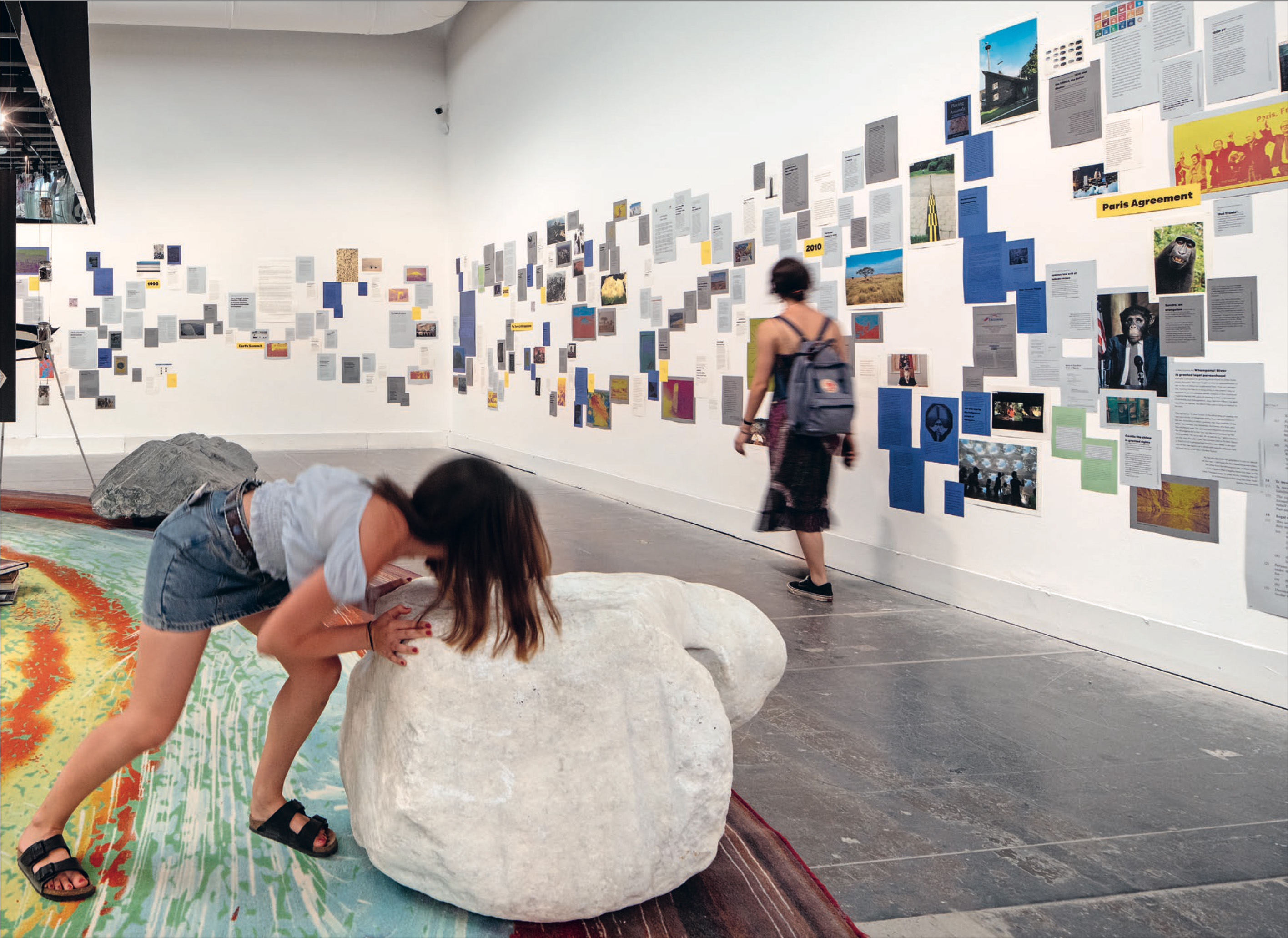
This contribution to the exhibition allows you to directly and physically perceive the movement of the stones with your senses. You can sit on them, touch them with your hands, feel their texture and temperature, or shift them almost effortlessly with a simple motion. No longer through the flow of the ice, but by the sheer force of man, these giant boulders weighing virtually tons thus advance in a horizontal direction. Bringing them to a standstill requires a repeated effort though.
Visitors change their roles from observers to actors: emblematic of the species of Homo sapiens, which – by now – changes our landscapes on the same scale as the forces of nature did. The lonely man in the center of Julian Charrière’s picture The Blue Fossil Entropic Series Pole (shown as part of the contribution to Common Water – The Alps), who tries to melt the iceberg with his flamethrower, illustrates this very fact. At first glance, his plan seems as hopeless as that of Sisyphus, the tragic figure from Greek mythology. As punishment for his deeds, Sisyphus had to roll a boulder up a mountain in the underworld, which rolled back down into the valley every time he reached the top. However, if one shifts the perspective from an individual human to the almost eight billion people on planet Earth, global consequences will inevitably impact our world.
The traces of our actions are deposited as sediments on Earth, and recently so. Humans are thus identified beyond any doubt as a geological force. Uncovered by later generations, these layers will be interpreted as part of the history of human existence and provide information about our relationship to Earth’s landscapes, characterized by a onesided use of its resources.




 Newsletter